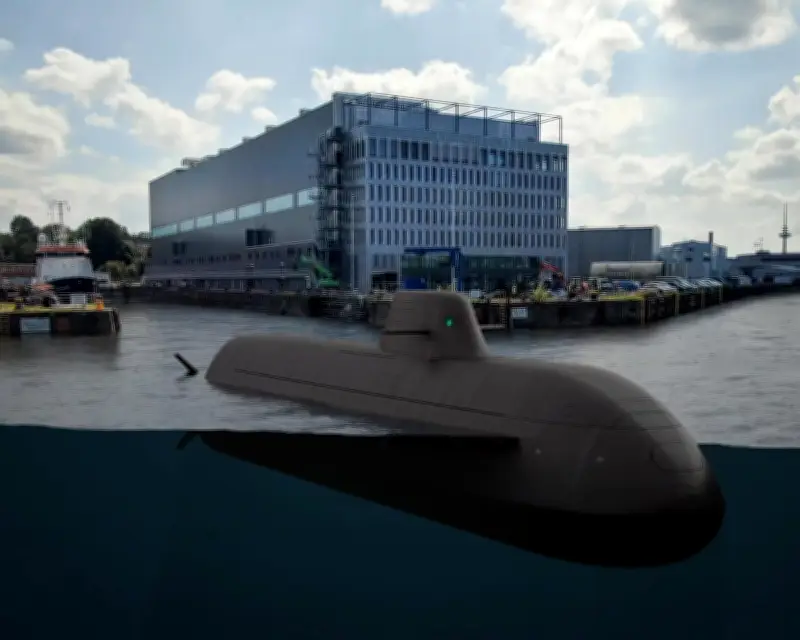
Canada has finalized a $60 billion deal to acquire 12 German-Norwegian submarines, securing a major defense contract after a fierce bidding war with Sweden and France. The purchase, announced on Monday, aims to replace the aging Victoria-class submarines and strengthen Canada's Arctic sovereignty.
Details of the Deal
The submarines, built by a consortium of Germany's ThyssenKrupp Marine Systems (TKMS) and Norway's Kongsberg Gruppen, will be delivered over the next 15 years. The contract includes training, maintenance, and a technology transfer agreement. Canadian Prime Minister Justin Trudeau stated, 'This investment ensures our Navy has the modern capabilities needed to protect our vast coastline and Arctic waters.'
The bidding process saw intense competition, with Sweden's Saab offering its A26 submarine and France's Naval Group proposing the Scorpene-class. However, the TKMS-Kongsberg bid was chosen for its advanced stealth technology and ice-operating capabilities.

Strategic Importance for the Arctic
Canada's Arctic region is increasingly contested due to melting ice and emerging shipping routes. The new submarines will be equipped with enhanced sonar and torpedo systems, allowing operations under ice. Defense Minister Anita Anand emphasized, 'These submarines will be a game-changer for our Arctic security, ensuring we can monitor and defend our northern approaches.'
The deal also includes a commitment to build a new naval base in Nunavut, creating jobs and infrastructure in the region. Critics, however, question the cost, with some analysts noting that Canada's defense budget will increase by 8% over the next decade to accommodate the purchase.
Reaction from Bidders and Allies
Sweden and France expressed disappointment but respected the decision. Saab's CEO Micael Johansson commented, 'We offered a competitive bid, but Canada chose the option that best fit its strategic needs.' The United States, Canada's neighbor and NATO ally, welcomed the deal, with a Pentagon spokesperson stating, 'A stronger Canadian Navy contributes to our shared security in the Arctic.'
The first submarines are expected to enter service by 2030, with full delivery by 2040. The existing Victoria-class subs, in service since the 1990s, will be gradually decommissioned.
Economic and Industrial Impact
The contract is expected to generate over 10,000 jobs in Canada and Europe, with significant work for Canadian shipyards. TKMS will partner with Irving Shipbuilding in Halifax for final assembly and integration. The deal also includes a $5 billion investment in Canadian research and development for submarine technologies.
Industry experts see this as a major boost for Canada's defense industry. 'This positions Canada as a key player in underwater warfare technology,' said defense analyst David Perry of the Canadian Global Affairs Institute.