One Nation Outperforms Liberals in South Australian Election Primary Vote
In a surprising turn of events during the recent South Australian state election, Pauline Hanson's One Nation party has achieved a higher primary vote than the Liberal Party. This development represents a notable shift in the political dynamics of the region, highlighting changing voter sentiments and the growing influence of minor parties.
Detailed Breakdown of Election Results
The election results revealed that One Nation secured 22 percent of the primary vote, surpassing the Liberal Party's share. This outcome is particularly significant as it marks the first time in recent history that a far-right party has outperformed one of the major traditional parties in a South Australian election. The Liberal Party, which has long been a dominant force in state politics, now faces increased competition and must reassess its strategies to regain voter confidence.
Analysts attribute One Nation's success to several factors, including widespread dissatisfaction with mainstream politics, economic concerns, and targeted campaigning in key electorates. The party's focus on issues such as immigration, national sovereignty, and economic protectionism resonated with a substantial segment of the electorate, enabling it to capture a larger share of the vote.

Implications for South Australian Politics
This electoral shift has profound implications for the future of South Australian politics. The Liberal Party's diminished primary vote suggests a need for internal reflection and potential policy adjustments to address the concerns that led voters to support alternative parties. Meanwhile, One Nation's performance could embolden other minor parties and independents, potentially leading to a more fragmented political landscape in upcoming elections.
Furthermore, the result may influence policy debates at both state and federal levels, as major parties take note of the issues that drove voters toward One Nation. Key areas likely to see increased attention include economic management, social policies, and approaches to national identity, as parties seek to appeal to a broader and more diverse electorate.
Reactions from Political Leaders
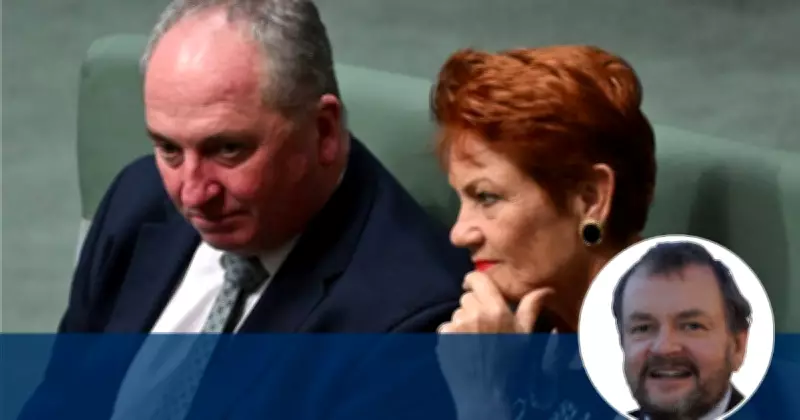
Pauline Hanson, the leader of One Nation, celebrated the result as a victory for ordinary Australians who feel overlooked by the political establishment. She emphasized that the party's message of putting "Australia first" has struck a chord with voters seeking change. In contrast, Liberal Party representatives have acknowledged the challenging outcome, vowing to listen more closely to community concerns and work towards rebuilding trust with the electorate.
Political commentators have noted that this election could serve as a wake-up call for traditional parties, urging them to engage more effectively with voters and address the underlying issues that contribute to political disillusionment. The increased vote for One Nation underscores the importance of adapting to evolving public opinions and maintaining relevance in a rapidly changing political environment.