Weekly Election Promises List Proposed to Boost Political Transparency
Australia's leading independent budget advisory body has been advised to consider releasing weekly policy commitments during election campaigns, aiming to enhance political transparency and accountability.
A post-2025 election review of the Parliamentary Budget Office, published in March, suggests the agency collect and publish weekly commitments from major parties throughout federal caretaker periods. This initiative would enable voters to better monitor promises before casting their ballots.
Enhancing Voter Awareness and System Integrity
The Parliamentary Budget Office, established in 2012 under Julia Gillard's minority government, provides budgetary and costing advice to parliamentarians. Its primary role is to reduce disparities in economic expertise among MPs and improve the transparency of government finances.

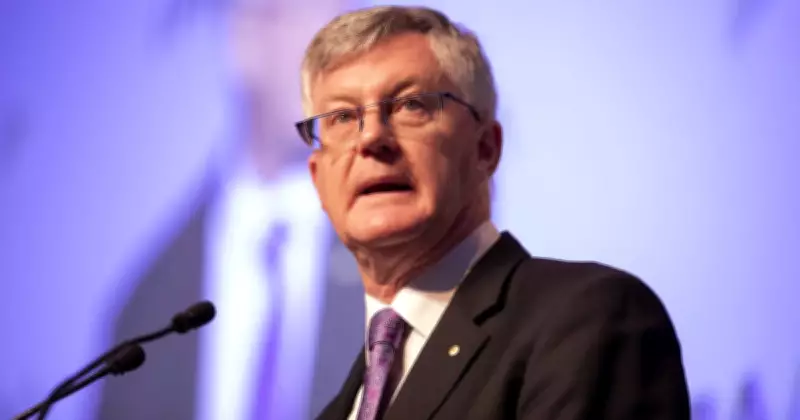
Former Treasury and Prime Minister and Cabinet secretary Martin Parkinson, author of the report, emphasized that a weekly published list of commitments would drive greater system transparency. He noted the difficulty for the public in distinguishing between genuine commitments and campaign rhetoric, stating this change would impose discipline on political parties.
While costings would not be required weekly—deemed impractical due to time constraints—the compilation of commitments would allow taxpayers to view all possibilities in one location and make informed assessments in the lead-up to elections. A similar framework is already operational in Victoria.
Practical Implications and Media Role
This proposal could facilitate more comprehensive media analyses and calculations of promises, thereby increasing voter knowledge. For instance, the PBO recently revealed that Peter Dutton's plan to cut the public service by 41,000 positions would necessitate $1.56 billion in redundancy and incentive payments over six years. Early confirmation of such commitments would empower journalists to conduct thorough evaluations.
Currently, during caretaker periods, several staff members are seconded to the PBO to track media reports of commitments, which are then compiled into lists. Dr. Parkinson highlighted that direct input from parties would clarify actual commitments, reducing confusion and enhancing accountability.
Broader Recommendations and Future Challenges
The review, informed by consultations with dozens of politicians, economists, and journalists, includes 22 additional recommendations focused on credibility, service offerings, transparency, and the agency's long-term sustainability. Dr. Parkinson praised the PBO as a high-functioning and respected agency, noting that while nothing is broken, there is always room for improvement.
However, the report warns that increasing demands from minor parties and independents for costings could strain the PBO's resources and potentially damage its reputation without a budget increase. To address this, the agency is advised to proactively engage with parliamentarians, staffers, and the media to better explain its functions and encourage detailed inquiries.
The Parliamentary Budget Office is currently considering all recommendations, with the potential for these changes to significantly impact how election promises are tracked and evaluated in future campaigns.