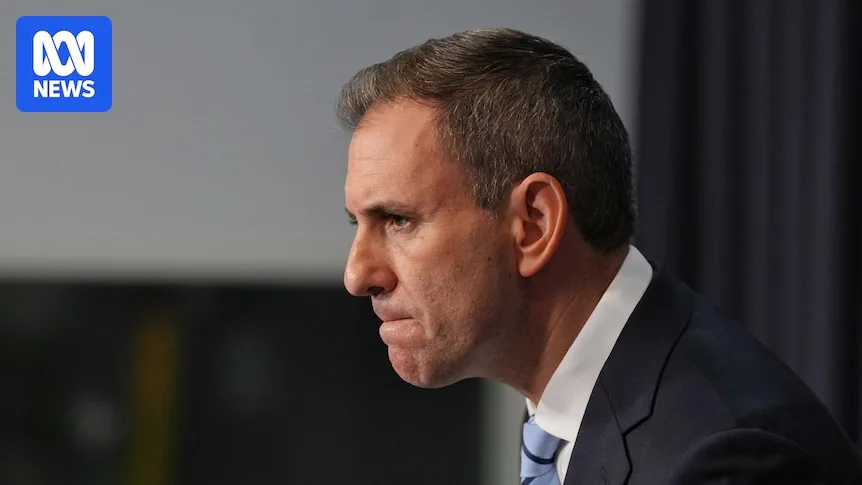
Treasurer Jim Chalmers has warned that the Middle East conflict could push Australian inflation above 5%, as new Treasury scenarios show surging oil prices will drive up costs and slow economic growth. In a pre-budget speech, Mr Chalmers will argue that savings, productivity measures and tax reforms are essential to protect younger Australians and strengthen the economy.
Treasury has modelled two scenarios: one where oil prices stay at $100 per barrel until mid-year and gradually return to pre-conflict levels by December, and another where prices peak at $120 per barrel and take three years to recover. Under the short-term scenario, inflation would peak 0.75% higher, while the prolonged scenario would see it 1.25% higher. Mr Chalmers said the prospect of inflation peaking in the high fours or even higher this year is very real.
Economic output would be 0.2% lower around mid-year in the short-term scenario but recover quickly, while the prolonged scenario would see GDP 0.6% lower in 2027. Mr Chalmers signalled the government would have more to say about its plan for fuel security in the coming days, as state and territory leaders meet for national cabinet on Thursday.

Mr Chalmers outlined three reform packages focused on savings, productivity and taxes, designed to work together to reduce the budget deficit and make room for private sector growth. The government has already identified $114 billion in savings and re-prioritisations, but Mr Chalmers acknowledged more must be done, signalling substantial savings options for the May budget.
On productivity, the government is targeting housing, the net zero energy transition and AI infrastructure. Mr Chalmers said tax reform is an important part of the productivity agenda, but how much can be achieved in May depends on fiscal considerations, international developments and cabinet deliberations. The Coalition has criticised government spending, with shadow treasurer Tim Wilson arguing it is crowding out the private sector and stoking inflation.