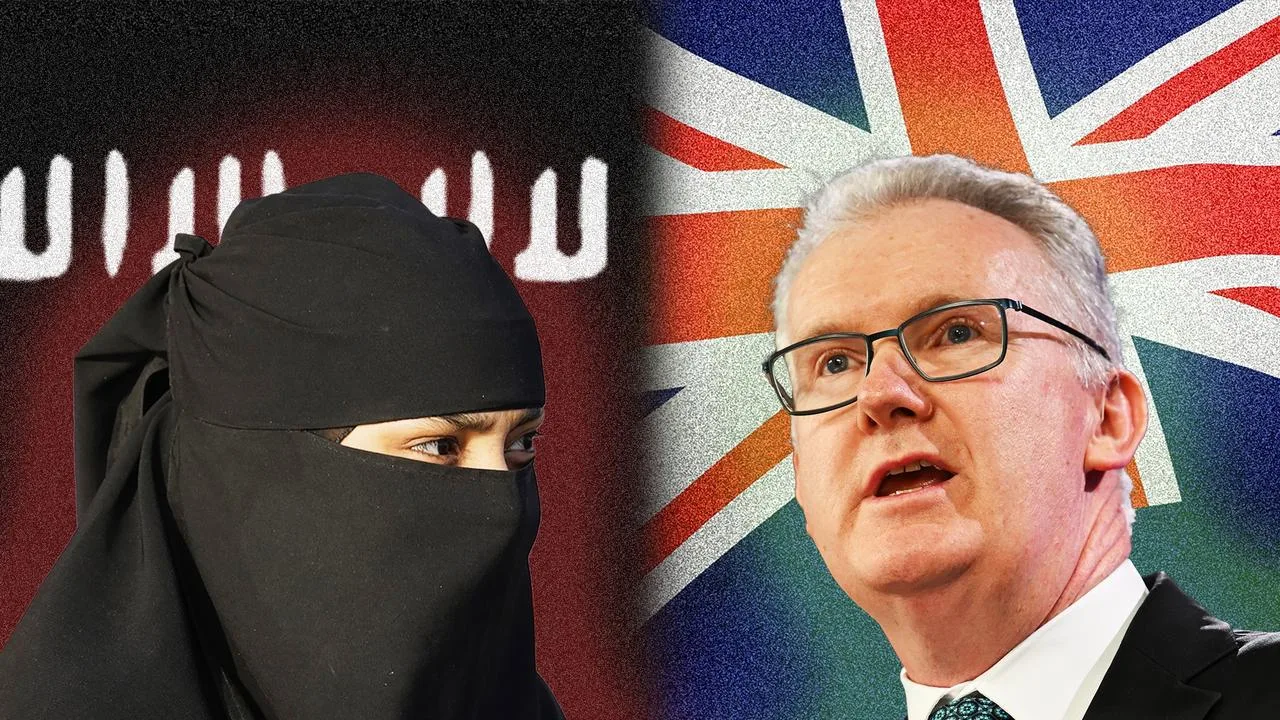
Thirteen former ISIS brides and their children are returning to Australia from Syria, with potential arrest awaiting them due to their involvement with the terror group. Home Affairs Minister Tony Burke confirmed on Wednesday that the group had made plans to return but insisted the government was not assisting them.
Burke warned that a group of four former ISIS brides set to return will face “the full force of the law” for their alleged crimes. “The Government has not and will not provide any assistance to this group, which consists of four women and nine children,” he said. “These are people who have made the horrific choice to join a dangerous terrorist organisation and to place their children in an unspeakable situation.”
Burke also suggested the group will be under surveillance by spy agencies on their return at an expected cost of millions of dollars. “Our world-class law enforcement and intelligence agencies have been preparing for their return since 2014 and have long-standing plans in place to manage and monitor them,” he said.

Australian Federal Police Commissioner Krissy Barrett confirmed on Wednesday that terror charges were expected for some group members. “Some will face continued investigations when they arrive in Australia, and children who return in the cohort will be asked to undergo community integration programs, therapeutic support and countering violent extremism programs.” She declined to specify how many or when, saying: “I will not flag how many individuals will be arrested, or when they will be arrested, to protect a number of our investigations.”
Commissioner Barrett said planning for the returnees had begun more than a decade ago, with investigators collecting evidence in Syria for potential charges including terrorism offences and crimes against humanity. Shadow Minister for Home Affairs and Immigration Jonno Duniam accused the government of mishandling the situation, saying: “These are individuals who chose to abandon Australia, our values of freedom and opportunity for all, to align themselves with a terrorist organisation.”