
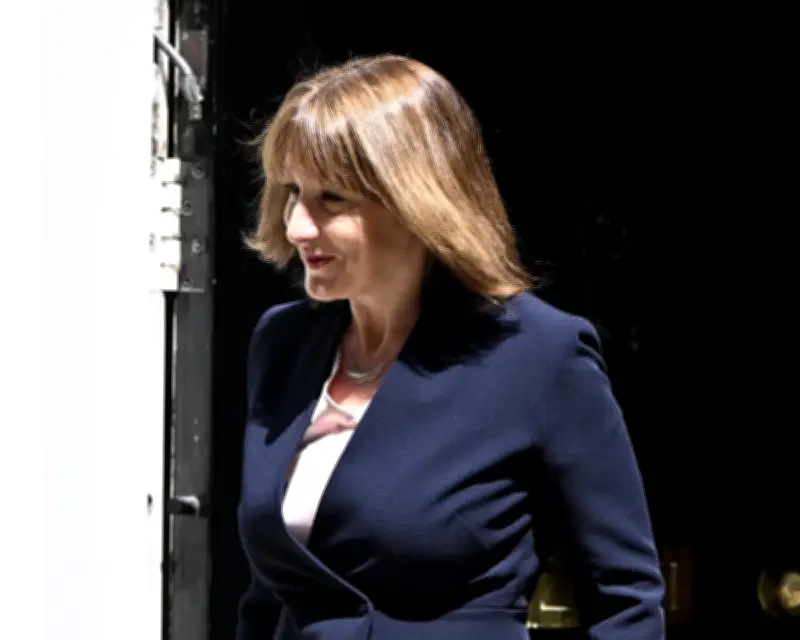
Chancellor Rachel Reeves has warned that the UK's growth forecasts will be downgraded in the upcoming spending review, citing global economic headwinds and domestic challenges. Speaking at a Treasury event, Reeves said the Office for Budget Responsibility (OBR) is expected to revise down its projections, reflecting weaker-than-expected economic performance.
Reeves Cites Global and Domestic Pressures
Reeves pointed to persistent inflation, higher interest rates, and sluggish productivity as key factors behind the expected downgrade. 'The global economy remains volatile, and we are not immune,' she said. 'Our fiscal rules are non-negotiable, but we must be realistic about the headwinds we face.' The chancellor emphasized that the government remains committed to fiscal discipline while investing in long-term growth.
Spending Review to Set Priorities
The spending review, due to be published in the autumn, will set departmental budgets for the next three years. Reeves indicated that some departments may face real-terms cuts, while others, such as health and education, could see increased funding. 'We will prioritize areas that drive growth and productivity,' she said. 'But difficult choices lie ahead.'

Reaction from Opposition and Economists
Shadow chancellor Jeremy Hunt criticized the government's economic management, accusing Reeves of 'talking down the economy.' He said, 'Labour inherited a strong economy and are now making excuses for their own failures.' However, economists broadly supported Reeves' caution, noting that the OBR's forecasts have been repeatedly too optimistic. 'A dose of realism is welcome,' said Paul Johnson, director of the Institute for Fiscal Studies.
Market and Business Response
Financial markets reacted calmly, with gilt yields edging lower as investors priced in a slower recovery. Business groups called for stability and clarity. The Confederation of British Industry urged the government to 'avoid further uncertainty' and focus on boosting investment. The British Chambers of Commerce echoed this, saying firms need 'predictable policies' to plan ahead.