Three Iranian Players Return to Iran After Asylum Applications in Australia
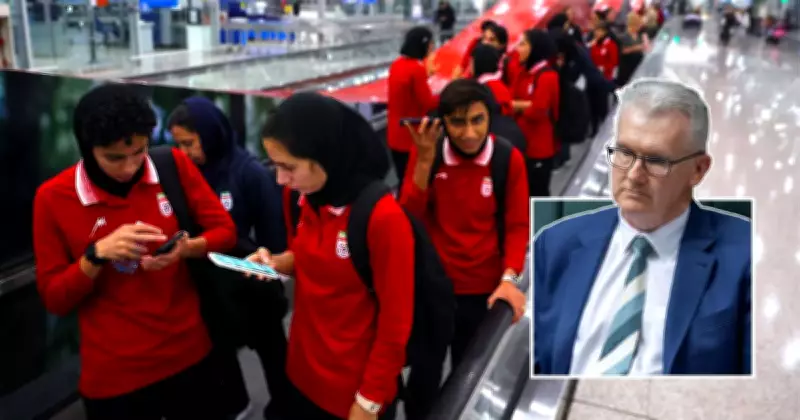
Immigration Minister Tony Burke has officially confirmed that three Iranian sports players have returned to their home country after previously seeking asylum in Australia. The announcement, made on Tuesday, sheds light on a case that has drawn attention to Australia's immigration policies and international relations.
Details regarding the specific reasons for their return remain undisclosed, with Burke stating that no further information would be provided due to privacy concerns. This lack of transparency has sparked questions among observers and stakeholders familiar with the situation.
Background and Context of the Asylum Bids
The players, whose identities and sports disciplines have not been publicly revealed, initially arrived in Australia and applied for asylum, citing reasons that were not elaborated upon by authorities. Their cases were part of a broader trend of individuals from various nations seeking refuge in Australia, often due to political, social, or economic instability in their home countries.
In recent years, Australia has seen a number of high-profile asylum seekers, including athletes and public figures, who have sought protection under its humanitarian programs. The return of these three players marks a notable development, as it is relatively uncommon for asylum seekers to voluntarily go back to their countries of origin after initiating such claims.
Minister Burke's Statement and Implications
During his statement, Tony Burke emphasized the government's commitment to handling immigration matters with sensitivity and adherence to legal protocols. "We respect the privacy of individuals involved in these processes and cannot comment on specific cases," he said, highlighting the delicate balance between public interest and personal confidentiality.
This confirmation comes at a time when Australia's immigration system is under scrutiny, with debates ongoing about border security, refugee intake, and international obligations. The return of the Iranian players may influence future policy discussions, particularly regarding the outcomes of asylum applications and the factors that lead individuals to withdraw their claims.
Reactions and Broader Impact
While the government has remained tight-lipped, advocacy groups and human rights organizations have expressed concern over the potential risks faced by the players upon their return to Iran. The country has a complex political landscape, and returnees can sometimes face persecution or legal challenges, depending on the circumstances of their departure.
In the sports community, this incident raises questions about the role of athletes in geopolitical issues and the challenges they may encounter when seeking asylum. It also underscores the importance of international cooperation in addressing migration flows and protecting vulnerable individuals.
As the situation unfolds, stakeholders are calling for greater transparency to ensure that the rights and safety of all parties are upheld. The confirmation by Tony Burke serves as a reminder of the ongoing complexities in global migration and the need for compassionate, evidence-based approaches to immigration management.