Canning Council's Business Lease Renewal Criticized as Corporate Welfare
The renewal of a lease for a business operating on land owned by the City of Canning has been strongly condemned as "corporate welfare" by a local councilor. This decision has ignited a heated debate over the use of ratepayer funds to support commercial enterprises.
Lease Details and Historical Context
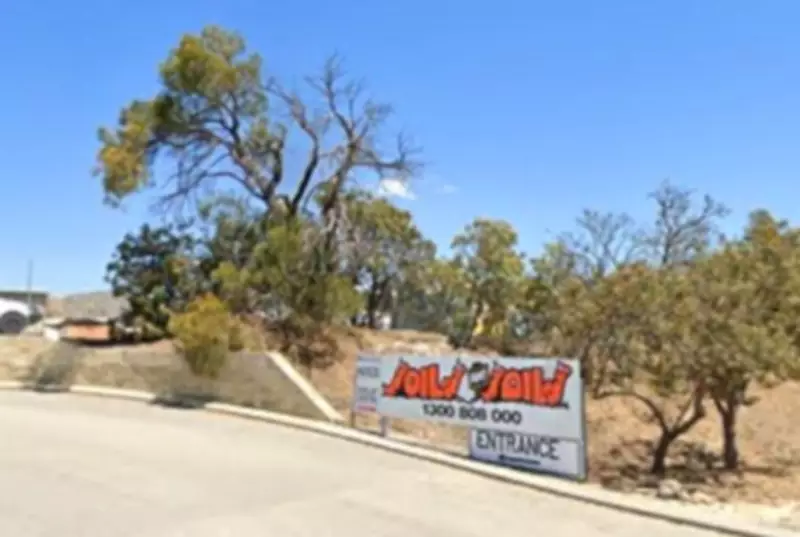
Soils Aint Soils has leased a property on Bannister Road in Canning Vale from the city since 2004. The site has been utilized since the mid-1980s for various activities, including open-air displays, garden supply, and timber storage. At its meeting on March 17, the Canning council voted 10-1 to renew the lease for five years, provided no submissions were received during the advertising period.
The property was valued at $790,000 in September 2024. Under the new lease agreement, Soils Aint Soils will pay an annual rent of $400,000, which represents a significant increase from the previous rate of $180,000. However, this amount is still considered discounted compared to market rates.

Councilor's Outrage and Ratepayer Concerns
Councilor Michelle Hurn vehemently opposed the lease renewal, describing it as the "most gratuitous example of corporate welfare" from local government she could imagine. She questioned why the valuation was based on data from one-and-a-half years ago and expressed deep concern for ratepayers.
"Our ratepayers who have suffered multiple above-CPI rate rises should be outraged," Cr Hurn stated during the council meeting. "It is not and it has never been the local government ratepayers' responsibility to subsidize businesses."
Cr Hurn highlighted the financial struggles faced by residents, noting that some are being forced out of their homes due to inability to meet rent or mortgage payments. She emphasized that these same ratepayers have been subsidizing the commercial venture for many years through their contributions.
"We are custodians of our ratepayers' financial contributions. We do not have the right to be generous to commercial enterprises with other people's money," she asserted. Cr Hurn also criticized the city for not testing whether other commercial interests existed for the site.
City's Justification and Land Conditions
City officers explained that they had not explored other commercial interests due to uncertainty surrounding future developments on the surrounding land. A council report indicated that the market valuation assumed no contamination issues, but the city was aware of some contamination from the site's previous use as a landfill, which could limit future development potential.
"We believe the rent accepted is a reflection of the current condition of the land," the report stated. Additionally, the city will increase its bond from $41,500 to $100,000, which will be returned to the tenant only if all remediation actions are completed to the city's satisfaction.
Cr Hurn argued that remediation work would be necessary regardless of when the lease ended and saw no reason to delay it. In contrast, Cr Jesse Jacobs supported the lease renewal, stating it was the best option as the site was not ready for development and would remain active.
Support for Renewal and Future Plans
"If the lease was not extended, the site would 'just sit there'," Cr Jacobs said. "This is the best use for it at the time so we can get a strategy in place in the next five years to fully maximize the use of this land."
He acknowledged that some might argue the city is not getting the full value of the land, noting that the site has become smaller due to Main Roads taking a portion of it. "We're not getting the full market value, but then I also recognize that the site is not really developed to get maximum dollar if you wanted it," Cr Jacobs explained.
"Sometimes it's better to take what we've got. If the lease was rejected, the site would be vacant. You'd have less return and then arguably you'd have more burden on the ratepayers." This perspective highlights the ongoing tension between immediate financial returns and long-term strategic planning in local government decisions.