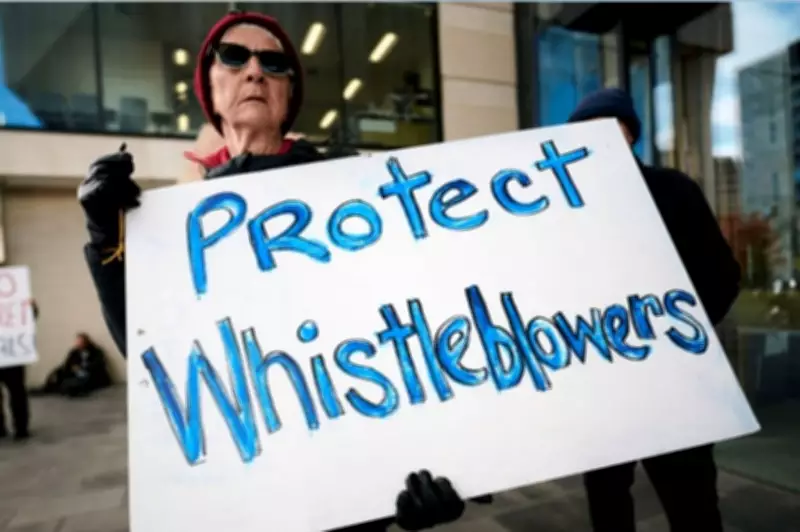
Advocates are calling for a significant shift in how South Australia treats whistleblowers, urging the state to move from a punitive approach to one that offers financial rewards for reporting misconduct. The proposal aims to encourage more individuals to come forward with evidence of corruption, fraud, and other wrongdoing in both the public and private sectors.
Current System Under Fire
Under existing laws, whistleblowers in South Australia often face retaliation, including dismissal, harassment, and legal action. Critics argue that the current system deters potential whistleblowers from exposing misconduct, leaving corruption unchecked. The proposed changes would see whistleblowers receive a percentage of any financial penalties or savings resulting from their disclosures, similar to models used in the United States.
Benefits of Financial Incentives
Proponents of the reform highlight several benefits. Financial incentives could significantly increase the number of reports, leading to more effective detection of fraud and corruption. They also argue that rewarding whistleblowers is a matter of fairness, as those who risk their careers and personal safety to expose wrongdoing should be compensated. The model has been successful in other jurisdictions, such as the US Securities and Exchange Commission's whistleblower program, which has paid out millions of dollars and recovered billions in penalties.

Opposition and Concerns
However, the proposal has its detractors. Some worry that financial rewards could encourage frivolous or malicious reports, overwhelming authorities with baseless claims. Others argue that whistleblowers should be motivated by ethics rather than profit. Legal experts also caution that implementing such a system would require careful legislation to prevent abuse and ensure that rewards are only given for valid disclosures.
Political Reactions
The South Australian government has yet to take a formal position on the matter. Opposition parties have expressed interest in the idea, with some calling for a parliamentary inquiry into whistleblower protections and incentives. Community groups and transparency advocates are lobbying for swift action, emphasizing the need to protect those who expose wrongdoing.
As the debate continues, all eyes are on the state government to see if it will embrace a new era of whistleblower treatment, one that pays rather than punishes those who speak truth to power.