

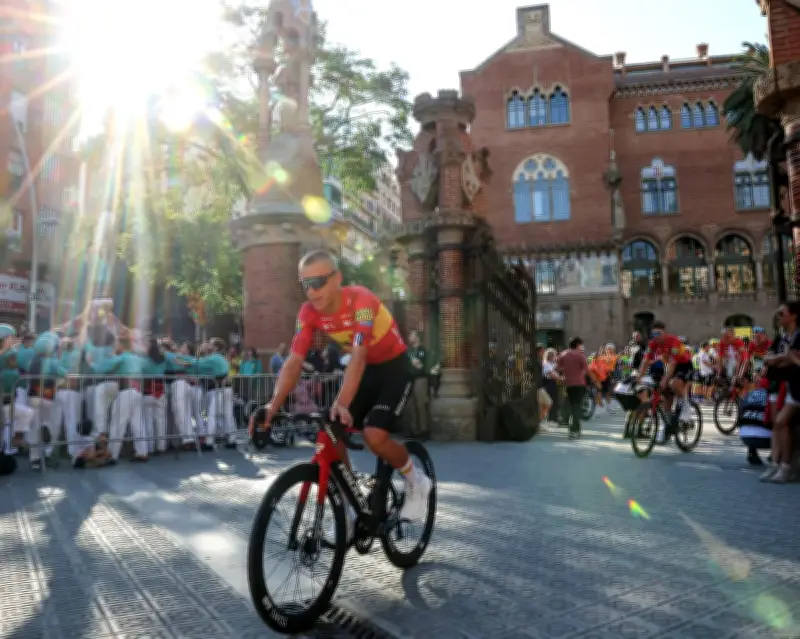
Tour de France organizers made the unprecedented decision to cancel a full stage of the race for the first time in its history as a blistering European heatwave pushed temperatures to 44 degrees Celsius in southern France. The cancellation of Stage 10, a 187-kilometer route from Perpignan to Montpellier, was announced early Thursday morning after forecast models showed no respite from the extreme heat.
First-Ever Full Stage Cancellation
Race director Christian Prudhomme confirmed the cancellation in a press conference, stating that the decision was made solely for the safety of the riders. "We have never before canceled an entire stage due to weather conditions. The health of the cyclists is our absolute priority," Prudhomme said. The move came after consultation with medical experts, team doctors, and meteorologists, who warned that racing at such temperatures could lead to heatstroke, dehydration, and other serious health risks.
The cancellation marks a historic first for the Tour de France, which has been held annually since 1903. While stages have been shortened or rerouted in the past due to weather or protests, a full-stage cancellation is unprecedented. The decision also reflects growing concerns about the impact of climate change on major sporting events, with heatwaves becoming more frequent and intense across Europe.

Extreme Heat Conditions
The heatwave gripping the region has seen temperatures soar well above seasonal averages. In Perpignan, the start town for Stage 10, thermometers hit 44°C by mid-afternoon, with similar readings recorded in Montpellier. The French meteorological service issued red alerts for several departments, warning of dangerous conditions for vulnerable populations. The Tour de France medical team reported that several riders had already suffered from heat-related issues in preceding stages, including cramps, dizziness, and one case of severe dehydration requiring hospitalization.
"We were seeing riders collapse at the finish line, and the medical staff were overwhelmed. It was clear that continuing would put lives at risk," said Dr. Sophie Leclerc, head of the Tour's medical team. "Even with cooling stations and extra water supplies, the body cannot dissipate heat effectively when ambient temperatures exceed 40 degrees."
Impact on the Race and Riders
The cancellation has major implications for the overall standings. Stage 10 was expected to be a flat stage favoring sprinters, with no major climbs. As a result, the general classification remains unchanged, with defending champion Jonas Vingegaard retaining the yellow jersey. However, the loss of a stage means fewer opportunities for sprinters to gain points in the green jersey competition, and for teams to rotate rest days.
Reactions from riders were mixed. Some expressed relief, while others lamented the disruption. "It's disappointing for the fans and for us, but safety comes first. You can't race in these conditions," said Australian rider Caleb Ewan. In contrast, French rider Julian Alaphilippe noted, "We train all year for this, and to have a stage canceled is frustrating. But I support the decision; it's too dangerous."
Broader Context of Climate Change
The unprecedented cancellation has reignited debate about the future of the Tour de France in a warming world. Climate scientists have warned that heatwaves in Europe are becoming more severe and frequent due to climate change. Dr. Michael Weber, a climatologist at the University of Montpellier, stated, "What we are seeing is consistent with models predicting increased heat extremes. The Tour de France and other outdoor events will need to adapt, possibly by shifting to cooler months or altering routes."
The Tour de France has already made adjustments in recent years, including earlier start times and increased water stations, but this cancellation signals a new level of response. Organizers are now considering contingency plans for future editions, such as scheduling stages earlier in the morning or moving the race to spring or autumn. However, such changes would require coordination with broadcasters, sponsors, and local governments.

Next Steps and Resumption
The Tour de France is scheduled to resume on Friday with Stage 11, a 151-kilometer route from Nîmes to Carpentras, which includes several category 2 climbs. Forecasts suggest a slight drop in temperatures, with highs around 38°C, but still well above comfortable racing conditions. Organizers have announced additional measures, including extra water points, ice vests, and medical support along the route. Riders will also be allowed to start earlier if temperatures spike again.
Prudhomme emphasized that the race will continue with safety as the top priority. "We will monitor conditions hour by hour. If necessary, we will shorten stages or adjust start times. The Tour must go on, but not at the expense of human life."