Autistic Athlete Returns to Track with Carer Support After Previous Denial
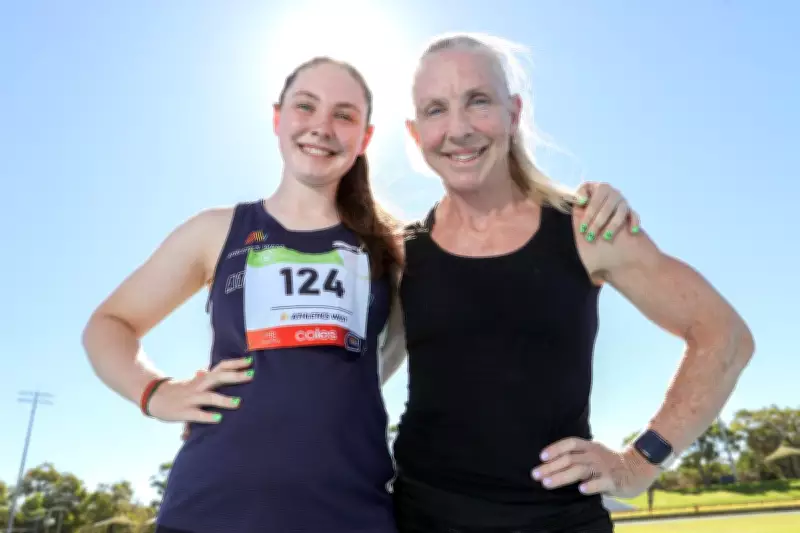
Juliette 'Juju' Mason has successfully returned to competitive athletics with her carer by her side at the recent WA State Athletics Championships, marking a significant turnaround from last year's events where the autistic athlete was denied assistance to access the track.
Social Media Campaign Sparks Change
The 22-year-old athlete's participation this year follows widespread backlash after last year's State Championships, when officials refused her request for a carer to guide her to the start line during some events. Her mother and disability advocate Mandy Mason launched the social media campaign #LetJujuRun, demanding minimal adjustments for her daughter's participation.
"What we were asking for was a very minimal adjustment, someone who would be able to sit with Juju and walk her to the start line," Ms Mason explained. "But it was denied. There was no appeal process or opportunity to discuss the reason for the decision."
Diagnosis and Athletic Journey
Juju was diagnosed with severe autism at age two and has spent over 15 years developing independence through speech therapy, social skills, education, and self-care. Following in her mother's athletic footsteps, she has trained and competed in athletics for many years, finding joy and community in the sport.
"She loves it... she's part of an amazing squad that are very supportive of her," Ms Mason said. "We know she's not an athlete that's going to get to the Olympics or anything, but she's earned the right to compete, just like everyone else."
Systemic Issues Identified
After last year's incident, Ms Mason lodged a complaint with the Australian Human Rights Commission and raised concerns with Sport Integrity Australia. The subsequent investigation revealed several systemic problems:
- Lack of clarity on interpreting World Para Athletics rules
- No documented guidance for officials on applying discretion when assessing assistance requests
- No clear process for athletes to submit supporting medical evidence
- Limited awareness of autism among officials assessing Juliette's request
The technical delegate who denied Juliette's assistance request last year could not provide clear reasoning for his decision during multiple interviews with investigators.
Recommendations Without Enforcement Power
Sport Integrity Australia made several recommendations to Australian Athletics, including:
- Providing educational resources to technical delegates
- Introducing clearer processes and guidelines for athletes seeking assistance
- Establishing transparent pathways for inclusion
However, the agency acknowledged it lacks legal power to enforce these recommendations. According to Ms Mason, no substantive changes have been implemented despite the findings.
"To me, I haven't seen any difference," she stated. "The form that we filled out for carer assistance was exactly the same. I had to contact them and ask what sort of assistance she would be allowed. There was no appeal process on there."
Call for Legislative Change
Ms Mason believes real change requires legislative action rather than voluntary compliance. The ongoing Human Rights Commission case aims to establish legal precedent for disability access in sports.
"This is not simply about one athlete," she emphasized. "It raises broader questions about how sporting organisations in WA are ensuring compliance with disability discrimination obligations and creating transparent, reliable pathways for inclusion."
The timing is particularly relevant as Athletics Australia received a $2 million Federal grant in December specifically for improving accessibility and "breaking down barriers" for athletes with disabilities.
"We're spending all of this money to improve accessibility, but then not allowing for mild, minor adjustments," Ms Mason noted. "That seems to me to be a real issue."
Broader Implications for Disability Inclusion
Ms Mason hopes the human rights case outcome will benefit not only current autistic athletes but also future children with disabilities, demonstrating that sports can be inclusive spaces for all.
"For many families who have kids with profound autism, sometimes you're at capacity. You don't have any more fights in your system," she acknowledged. "But for whatever reason, I have the desire to do it. And hopefully it can open the doors, not just for Juju, but for so many others who want the opportunity to take part in sport too."
The case continues with the Human Rights Commission, with Ms Mason hoping for resolution before national championships later this year.