

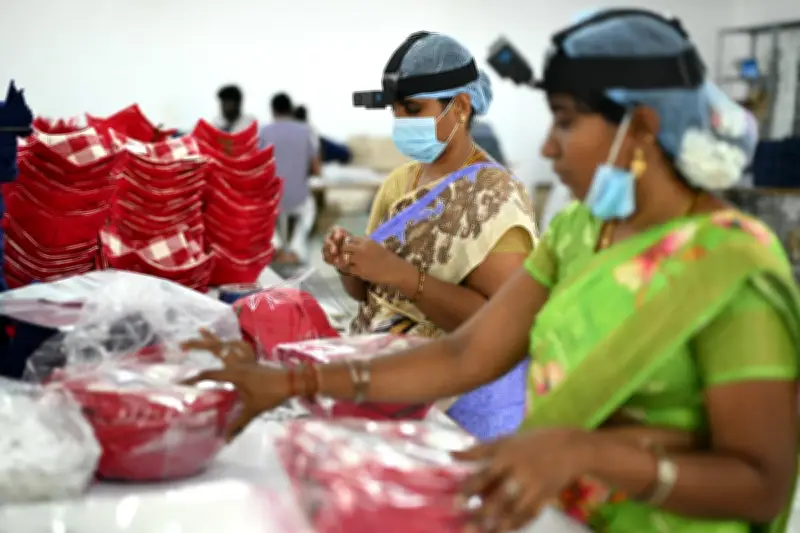
Factory workers in India are being instructed to record videos of themselves performing routine tasks, which are then used to train artificial intelligence-powered robots, according to a report by The Guardian. The practice, which has emerged in several manufacturing hubs, aims to accelerate the adoption of automation in industries ranging from electronics to automotive components.
How the System Works
Workers are told to film their hands and movements as they assemble products or operate machinery. These videos are fed into machine learning algorithms that teach robots to replicate the motions. The process is part of a broader push by companies to reduce labor costs and increase efficiency. One worker, who spoke on condition of anonymity, said: "We are training the machines that will replace us. It feels like we are working against our own interests."
Concerns Over Job Losses
Labor rights groups have expressed alarm, warning that the practice could accelerate job losses in a country where manufacturing employs millions. India's manufacturing sector accounts for about 17% of GDP and employs over 50 million people, according to government data. A study by the International Labour Organization estimated that up to 69% of jobs in India are at risk of automation, though the timeline remains uncertain.

Company Justifications
Companies involved argue that the technology is necessary to remain competitive globally. A spokesperson for one unnamed factory said: "We are not replacing workers; we are upskilling them. The robots handle repetitive tasks, allowing employees to focus on more complex work." However, critics note that workers are not being offered guarantees of continued employment or additional compensation for their participation in the training.
Legal and Ethical Implications
Legal experts point out that the practice raises questions about intellectual property and consent. Workers are often not informed how their videos will be used or stored. "There is a lack of transparency," said Dr. Anjali Sharma, a labor law researcher at the University of Delhi. "Workers may be signing away rights without understanding the long-term consequences."
Global Context
Similar practices have been reported in other countries, including China and the United States, where companies like Amazon have used worker videos to train warehouse robots. However, the scale in India is particularly notable given the country's large workforce and growing tech sector. The Indian government has not issued specific guidelines on the use of worker data for AI training, leaving a regulatory vacuum.
Worker Reactions
Some workers have resisted the requests, fearing that they are hastening their own redundancy. Others comply out of fear of losing their jobs. "If I refuse, they might fire me and find someone else who will do it," said a worker in a factory near Chennai. The lack of union representation in many factories further limits workers' ability to negotiate.
Future Outlook
As AI and robotics continue to advance, the demand for training data is likely to grow. Experts predict that more factories will adopt similar methods, potentially reshaping the labor landscape. The challenge for policymakers will be to balance technological progress with the protection of workers' rights and livelihoods.