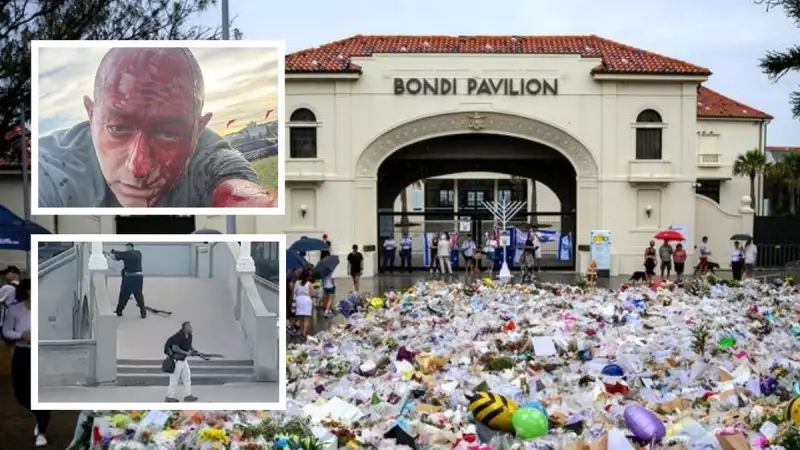
Australia's internet watchdog has been inundated with reports about distressing material circulating online in the wake of the Bondi Junction tragedy. The eSafety Commissioner has confirmed receiving nearly 100 complaints concerning harmful content related to the attack that shocked the nation.
Flood of Reports to Online Watchdog
The eSafety Commissioner, Julie Inman Grant, revealed her office had logged close to 100 complaints specifically about graphic and harmful content linked to the Bondi Junction stabbing attack. This surge in reports highlights the rapid and often distressing spread of violent material across digital platforms following major incidents.
In response to the crisis, the commissioner issued legal notices to several major tech companies, including X (formerly Twitter), Meta (which owns Facebook and Instagram), and Telegram. These notices compelled the platforms to detail their actions in removing the most extreme content, such as videos depicting the violent acts.

Platforms Scrambled to Remove Graphic Footage
The watchdog's intervention came as graphic footage from the April 13 attack at Westfield Bondi Junction proliferated online. Authorities confirmed that six people were killed and several others, including a baby, were injured during the incident at the busy Sydney shopping centre.
While some platforms were cooperative, the commissioner noted a particularly challenging response from X. The platform reportedly failed to provide complete answers regarding its handling of the violent content. In contrast, other companies engaged more constructively with the regulator's demands.
This event has intensified the ongoing debate about the responsibilities of social media giants in Australia. The eSafety Commissioner has long advocated for stronger powers to combat the spread of harmful content, especially material that can cause significant trauma to victims' families and the wider community.
A Ongoing Battle Against Online Harm
The Bondi attack is a stark reminder of the dual challenges faced in the digital age: managing a real-world crisis while simultaneously combating its violent and unauthorised spread online. The eSafety Commissioner's office continues to monitor the situation and use its regulatory powers to hold platforms accountable.
This incident underscores the critical role of Australia's online safety regulator in protecting citizens from digital harm. As the investigation into the attack continues, the efforts to scrub the internet of its most graphic remnants also persist, highlighting an essential but often unseen front in national tragedy response.