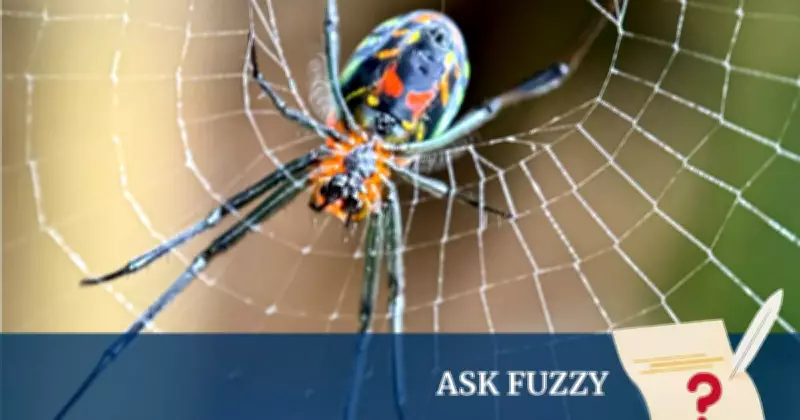
Imagine having to build a net to catch your dinner, where the meal is a high-velocity object the size of a refrigerator. If the net is too rigid, it snaps; too elastic, and your prey bounces right out. The perfect balance lies somewhere between fencing wire and a trampoline. This challenge was solved millions of years ago by orb-weaving spiders.
The Ancient Origins of Spider Silk
The earliest known spiders date back between 380 million and 300 million years, depending on how 'spider' is defined. Despite having brains the size of a poppy seed, their web-building abilities are extraordinary. Using glands inside their abdomens, spiders produce up to seven distinct types of silk, each serving a specific function.
Types of Spider Silk
- Dragline silk: Used for structural support, this silk is incredibly strong and forms the framework of the web.
- Capture spiral silk: This elastic silk forms the spiral that traps prey.
- Aggregate silk: A sticky coating applied to the capture spiral to ensnare insects.
- Aciniform silk: Wraps and immobilises captured prey.
- Cylindriform silk: Forms protective egg cases.
- Minor ampullate silk: Used for temporary scaffolding during web construction.
- Piriform silk: Anchors threads to surfaces.
How Spiders Produce Silk
Spiders produce silk proteins in different abdominal glands. Remarkably, the proteins are mixed outside the body. The spider draws silk threads from gland openings, and as the silk exits, the proteins interlock and crystallise into a solid fibre. Using their walking legs and small appendages called spinnerets, spiders control the thread. The faster they reel, the stronger the silk becomes.

The St Andrew's Cross Spider's Mystery
The St Andrew's Cross Spider builds a distinctive cross-shaped structure called the stabilimentum at the centre of its orb. Originally thought to strengthen the web, it is now known that the ribbon-like silk strongly reflects ultraviolet light. This likely attracts flying insects, which use UV light to locate flowers and navigate. Alternatively, the stabilimentum may confuse predators or warn birds to avoid the sticky web.
The Strongest Silk in the World
Darwin's bark spider, found in Madagascar's jungles, spins the strongest known silk. Its webs span up to 25 metres across rivers and are more than ten times stronger than bulletproof Kevlar.
The Fuzzy Logic Science Show is at 11am Sundays on 2xx 98.3FM. Send your questions to AskFuzzy@Zoho.com; Podcast: FuzzyLogicOn2xx.Podbean.com