Invasive Fish Wreaks Havoc on Thai Fishing Communities
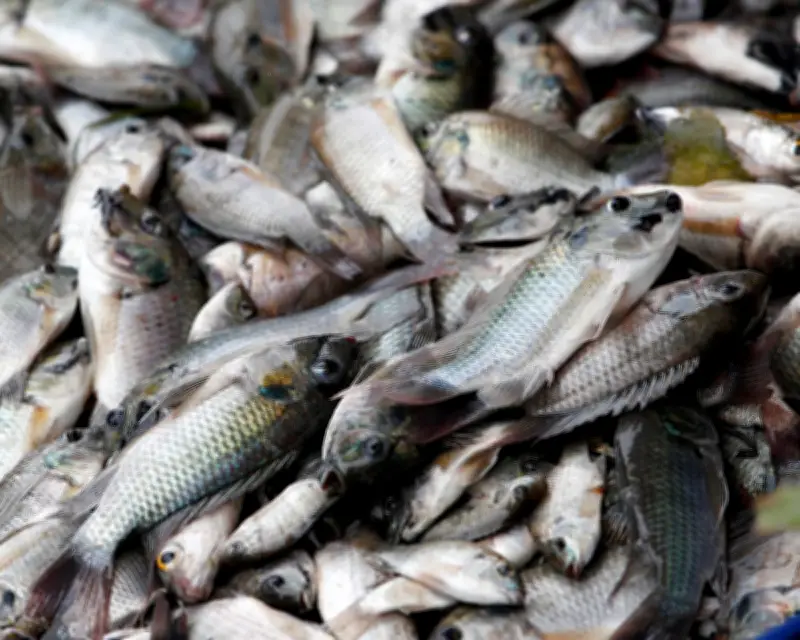
An invasive fish species, the blackchin tilapia, has caused an estimated $10 million in lost income for Thai fishers, according to a new report from the Department of Fisheries. The species, which is native to West Africa, has spread rapidly through Thailand's freshwater systems, outcompeting native fish and damaging fishing gear.
Fishers Count the Cost
Local fishers in provinces such as Ayutthaya, Ang Thong, and Sing Buri have reported significant declines in catches of native species like snakehead fish and common silver barb. The blackchin tilapia, which can grow up to 40 centimeters long, also damages nets and traps with its sharp spines. "We are losing our livelihoods," said Somchai Srisuk, a fisher from Ang Thong province. "The government needs to help us."
Government Response and Challenges
The Department of Fisheries has launched a program to encourage the capture and removal of blackchin tilapia, offering a bounty of 5 baht per kilogram. However, the program has faced challenges, including low participation and the fish's high reproductive rate. The species can spawn multiple times a year, with each female producing up to 1,000 eggs per spawn.

Environmental and Economic Impact
The invasion has also harmed the environment, with blackchin tilapia consuming algae and detritus that native species rely on. This has led to algal blooms and reduced water quality. The economic impact extends beyond fishers, affecting tourism and the broader ecosystem. "If we don't act now, the damage could be irreversible," said Dr. Wichai Thong, a marine biologist at Kasetsart University.