

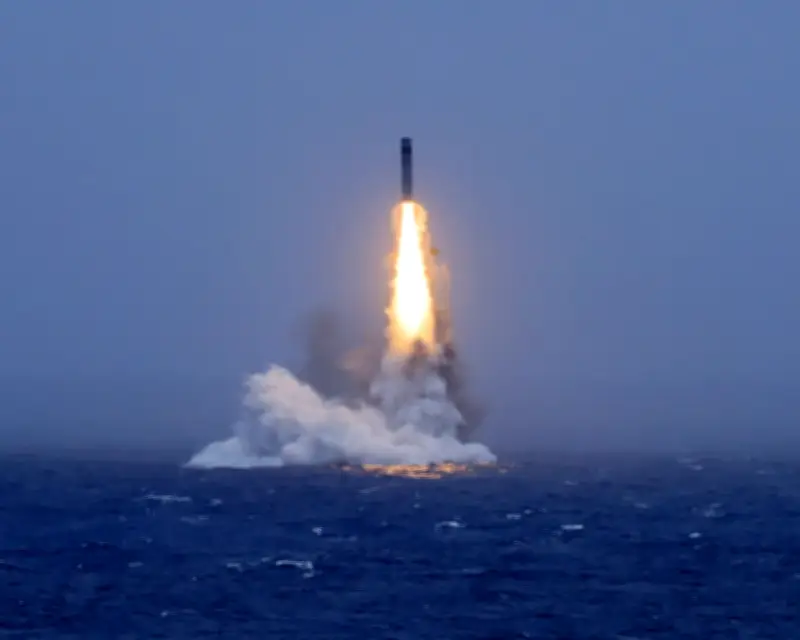
China has called on critics not to overinterpret its recent missile test in the Pacific, as international condemnation continues to mount. The test, which involved a ballistic missile splashing down in the Pacific Ocean, has drawn sharp rebukes from regional nations and the United States.
China's Defense of the Test
Chinese Foreign Ministry spokesperson Wang Wenbin stated on Thursday that the test was a routine and lawful activity, conducted within international waters. He emphasized that China had issued a navigation warning beforehand and that the test did not target any country. Wang urged other nations to avoid reading too much into the event, insisting that it was not a threat to regional stability.
Growing International Criticism
However, the test has sparked widespread concern. Australia, New Zealand, and several Pacific island nations have expressed alarm, noting that China did not provide sufficient prior notification. The United States called the test destabilizing and urged China to exercise restraint. Japan and South Korea also voiced concerns, with Japan's defense minister stating that the missile's trajectory passed over Japanese airspace, though China disputes this claim.

Details of the Missile Launch
The missile, launched from China's southern coast, traveled approximately 3,000 kilometers before landing in the Pacific Ocean near the Solomon Islands. According to the Chinese military, the test was part of routine training and did not violate any international laws. The launch came just weeks after China conducted a similar test in the same region, which also drew criticism.
Regional Reactions
Pacific island nations, particularly those in the vicinity of the splashdown zone, have called for greater transparency from China. Solomon Islands Prime Minister Manasseh Sogavare said his government was not informed in advance, although China claims it provided general notifications through diplomatic channels. Australia's Foreign Minister Penny Wong said the test was unhelpful for regional stability and called on China to engage in more open communication.
Strategic Implications
Analysts view the test as part of China's growing military assertiveness in the Pacific, a region traditionally dominated by the United States and its allies. Some experts suggest that China is testing its ability to project power and potentially deny access to the region in a conflict scenario. The test also highlights the ongoing rivalry between China and the US, as Washington seeks to strengthen ties with Pacific nations to counter Beijing's influence.
China's Stance on Sovereignty
China has maintained that its military activities are legitimate and that it has the right to conduct such tests. Wang Wenbin reiterated that China is a responsible major country and that its actions are in line with international law. He warned against any attempts to politicize the issue or use it to stoke tensions.
Next Steps
As criticism grows, China is expected to face increased diplomatic pressure to provide more detailed information about its future tests. Meanwhile, Pacific nations are likely to push for a regional code of conduct regarding military activities in the region. The United States has also indicated it will raise the issue at the upcoming Pacific Islands Forum.