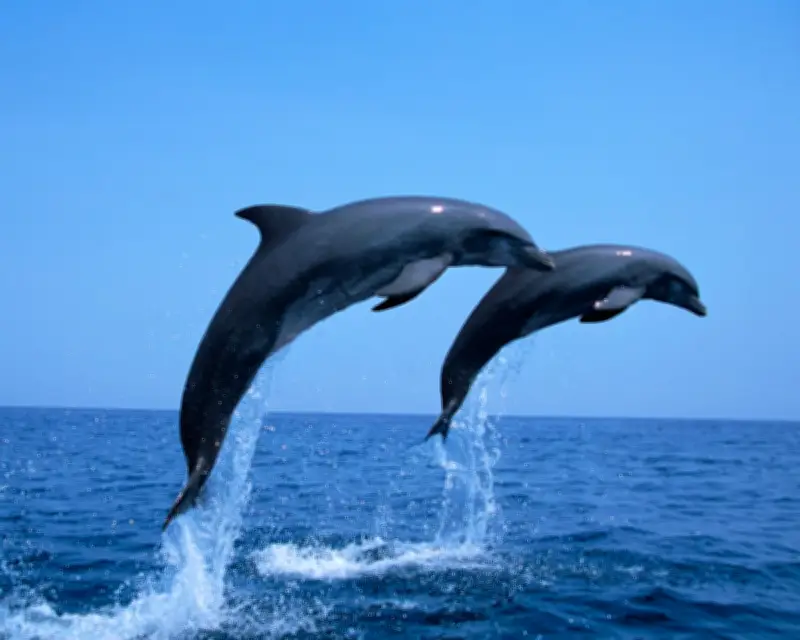
A new study has found that dolphins in the Adriatic Sea are increasingly scavenging food from fishing trawlers, a behavior that could have significant implications for their health and ecology. The research, conducted by scientists from the University of Zagreb and the Blue World Institute, observed common bottlenose dolphins (Tursiops truncatus) interacting with trawlers off the coast of Croatia.
Study Details
The study, published in the journal Marine Biology, documented over 200 interactions between dolphins and trawlers between 2019 and 2024. Researchers used photo-identification and GPS tracking to monitor dolphin movements and feeding habits. They found that dolphins were regularly following trawlers and feeding on discarded bycatch, a behavior that has been observed in other regions but is now becoming more frequent in the Adriatic.
Impact on Dolphins
According to lead author Dr. Ivana Jelić, "Dolphins are adapting to human activities, but this scavenging behavior may expose them to risks such as entanglement in fishing gear, ingestion of hooks and plastic, and increased boat strikes." The study notes that while scavenging provides an easy food source, it could lead to nutritional imbalances and dependency on human activities.

The research also highlights that dolphins in the northern Adriatic have a high rate of interaction with fisheries, with some individuals showing signs of injury from nets. "We observed that 15% of the dolphins photographed had scars or injuries consistent with entanglement," Jelić added.
Conservation Concerns
Conservationists are worried that this behavior could alter the natural feeding patterns of dolphins and increase human-wildlife conflict. The study calls for better management of fisheries to reduce bycatch and mitigate negative impacts on marine mammals. "It is crucial to implement measures such as acoustic deterrent devices and modify fishing gear to minimize dolphin interactions," said co-author Dr. Marko Radulović.
The findings come as the Adriatic Sea faces increasing pressure from overfishing, pollution, and climate change. Dolphins are already listed as a protected species under the EU Habitats Directive, but the study suggests that more targeted action is needed to safeguard their populations.