

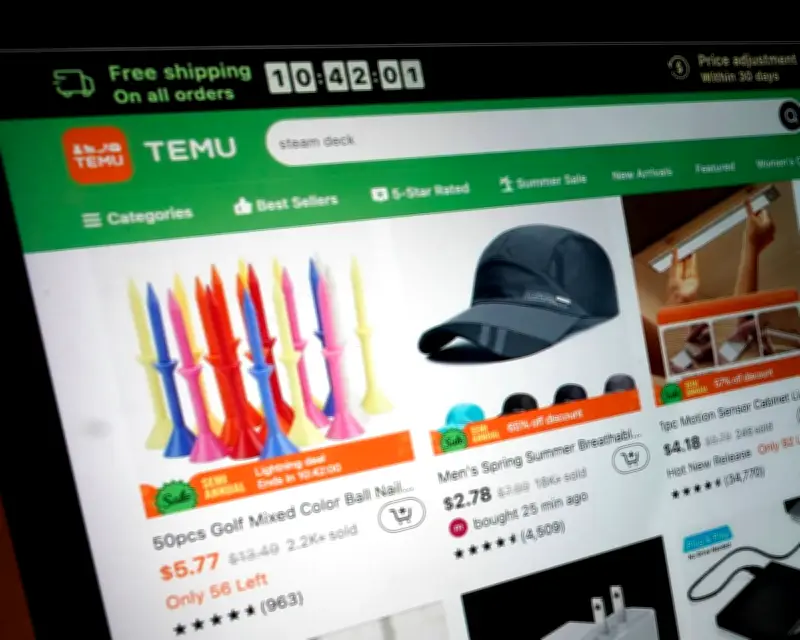
The European Union has implemented a new customs charge on small parcels imported from outside the bloc, a measure specifically designed to curb the influx of cheap goods from China. The policy, which took effect on June 29, 2026, eliminates the previous duty-free threshold for parcels valued under €150.
Details of the New Customs Charge
Under the new regulation, all commercial goods imported into the EU from non-EU countries will be subject to a customs duty, regardless of their value. Previously, parcels valued at less than €150 were exempt from customs charges, a loophole that allowed Chinese e-commerce platforms like Shein and Temu to flood the European market with low-cost products without facing additional taxes.
The European Commission estimates that the change will affect approximately 2.3 billion parcels annually, with the majority originating from China. The move is expected to generate an additional €1.5 billion in customs revenue each year, which will be used to support local businesses and enforce trade regulations.

Impact on E-Commerce and Consumers
The new charge is expected to significantly impact the business models of Chinese e-commerce giants that rely on shipping small, low-value items directly to consumers. According to EU Trade Commissioner Valdis Dombrovskis, "This measure levels the playing field for European retailers who have been disadvantaged by the duty-free threshold. It ensures that all products sold in the EU comply with our standards and contribute fairly to our economy."
Consumers will now face additional costs on purchases from non-EU online stores. The customs duty will be calculated based on the product's value and category, with an average charge of around 12% for most goods. The EU has also introduced a simplified customs declaration process for small parcels to ease the administrative burden on both buyers and sellers.
Reactions and Criticism
The policy has drawn mixed reactions. European retailers and industry groups have welcomed the move, arguing that it protects local jobs and ensures fair competition. However, consumer advocacy groups have expressed concerns that the charge will increase prices for households already grappling with inflation. A spokesperson for the European Consumer Organisation (BEUC) said, "While we support fair trade, this measure could disproportionately affect lower-income consumers who rely on affordable imported goods."
Chinese e-commerce platforms have also criticized the policy, warning that it could lead to higher prices and reduced choice for European shoppers. Temu, in a statement, said, "We believe this move will ultimately harm consumers by limiting their access to affordable products. We are exploring all options to mitigate the impact on our customers."
Broader Context and Enforcement
The customs charge is part of a broader EU strategy to address trade imbalances and ensure that imported goods meet European standards on safety, environmental sustainability, and labor rights. The EU has also ramped up enforcement against counterfeit goods and products that violate intellectual property rights.
To facilitate the transition, the European Commission has launched an information campaign to educate consumers and businesses about the new rules. Online marketplaces will be required to display the applicable customs duties at the point of sale, and customs authorities across the bloc will coordinate to ensure consistent enforcement.