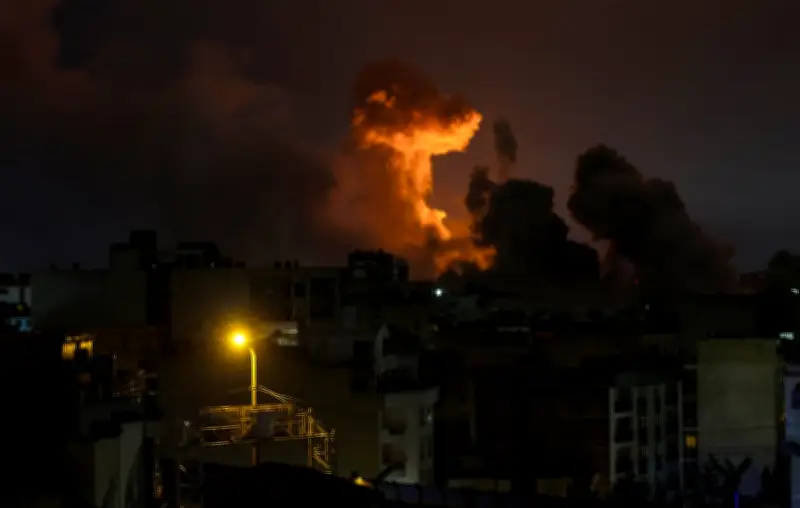
Recent military strikes on water facilities in Iran have raised serious concerns among international law experts, who argue that such actions could amount to war crimes. The attacks, which targeted critical infrastructure essential for civilian water supply, have been condemned by human rights organizations and legal scholars.
Legal Implications Under International Law
Under the Geneva Conventions and additional protocols, deliberately attacking objects indispensable to the survival of the civilian population, such as drinking water installations and supplies, is prohibited. Experts emphasize that these strikes may violate the principle of distinction, which requires parties to a conflict to distinguish between military targets and civilian objects.
According to Professor Jane Holloway, a specialist in international humanitarian law at the University of London, "Targeting water infrastructure that serves primarily civilian purposes is a grave breach of international law. It can be classified as a war crime if done intentionally and without military necessity."

Impact on Civilians
The strikes have disrupted water supply to millions of people in several Iranian provinces. Reports indicate that hospitals, schools, and residential areas have been affected, leading to a humanitarian crisis. The United Nations has called for an immediate investigation into the attacks.
"Access to clean water is a fundamental human right. These attacks not only violate international law but also exacerbate the suffering of ordinary Iranians," said UN spokesperson Maria Fernandez.
International Response
The international community has reacted with alarm. The European Union has condemned the strikes, urging all parties to respect international humanitarian law. The United States has called for restraint but has not directly commented on the legality of the attacks.
Iranian officials have denounced the strikes as "acts of terrorism" and have vowed to take retaliatory measures. The Iranian Foreign Ministry has called on the International Criminal Court to investigate the incident.
Legal experts warn that if proven deliberate, those responsible could face prosecution for war crimes. The case highlights the ongoing debate over the protection of critical infrastructure in modern warfare.