Canberra's Multicultural Festival Emerges as Powerful Antidote to Global Division
In a world increasingly marked by polarisation and social fragmentation, one Canberra event stands out as a remarkable demonstration of unity and collaboration. The Canberra Multicultural Festival has evolved from modest community beginnings to become a significant force for social harmony and economic prosperity in the Australian Capital Territory.
From Humble Origins to National Significance
Long-time Canberra residents recall when the festival began as an intimate gathering featuring approximately twenty community stalls during the late 1990s. Driven primarily by volunteers passionate about sharing culinary traditions, musical performances, and personal narratives, few could have predicted this initiative would blossom into one of Australia's premier multicultural celebrations.
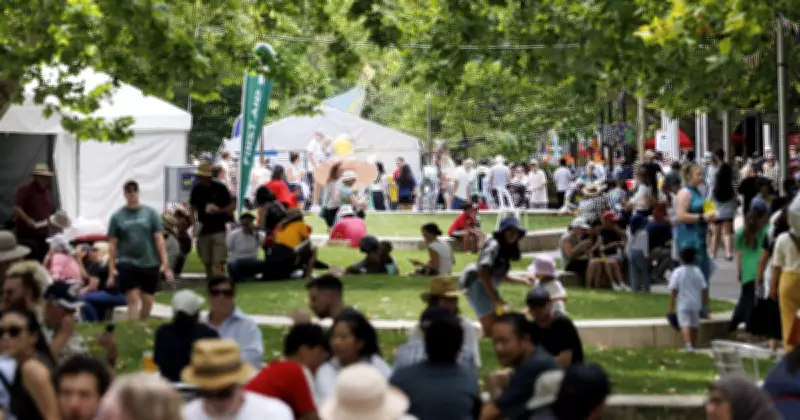
This year's event transformed the city centre into a vibrant hub of cultural exchange, featuring more than 250 food and cultural stalls alongside hundreds of performances. The festival attracted well over 400,000 visits throughout the weekend, demonstrating its powerful appeal and growing importance within the national cultural landscape.

Economic Impact and Community Support
The festival generates approximately $20 million for the ACT economy while supporting around 500 employment positions across hospitality, event production, and tourism sectors. For numerous vendors, particularly migrants and refugees establishing themselves in Australia, this event represents their most significant commercial opportunity annually.
Beyond these substantial economic benefits, the festival serves as Canberra's most effective mechanism for breaking down social barriers and fostering genuine understanding between diverse communities. Sharing food, music, and personal stories in public spaces creates connections that policy documents and political rhetoric cannot achieve.
Countering Division Through Shared Experience
In an era when fringe groups and political figures often promote divisive narratives, the Canberra Multicultural Festival provides a powerful counterpoint. By bringing together individuals from different faith traditions and cultural backgrounds, the event allows neighbours to encounter one another as fellow humans rather than as political abstractions or demographic categories.
Children attending the festival grow up perceiving cultural difference as ordinary rather than threatening, while adults frequently discover unexpected common ground where they previously assumed distance existed. This experience proves particularly meaningful in Canberra, where nearly one-third of residents come from culturally diverse backgrounds.
Challenges of Growth and Authentic Representation
Despite its remarkable success, festival organisers and community leaders acknowledge that growth presents significant challenges. Participation remains unevenly accessible, with smaller or newly established community groups often struggling with rising costs, administrative requirements, and limited organisational capacity. Ensuring multiculturalism remains meaningful requires addressing these structural barriers.
There exists a legitimate concern that cultural expression might become reduced to performance rather than authentic engagement. While food and dance provide joyful entry points for cross-cultural exchange, they should not constitute the complete narrative. The festival must continue creating space for deeper conversations about historical experiences, contemporary challenges, and the lived realities of multicultural communities.
A Model for National Cohesion
The festival's evolution from twenty stalls to its current scale mirrors Canberra's own transformation into a diverse, cosmopolitan capital. Our city no longer represents a single story or cultural background, and our public institutions must reflect this reality consistently rather than annually.
This celebration represents far more than entertainment—it constitutes a strategic investment in tourism, employment, small business development, and social cohesion. The festival reminds us that Canberra remains a place where individuals from all backgrounds can find opportunity, where sharing traditions builds genuine connections, and where unity consistently triumphs over division.

As global tensions escalate and social fragmentation increases internationally, Canberra demonstrates through this festival that inclusion, dialogue, and collaborative spirit can flourish even in challenging times. The event stands as both celebration and practical solution, offering a model other Australian cities might emulate to strengthen community bonds and economic resilience simultaneously.