Canberra's Premier Festival Celebrates Cultural Harmony
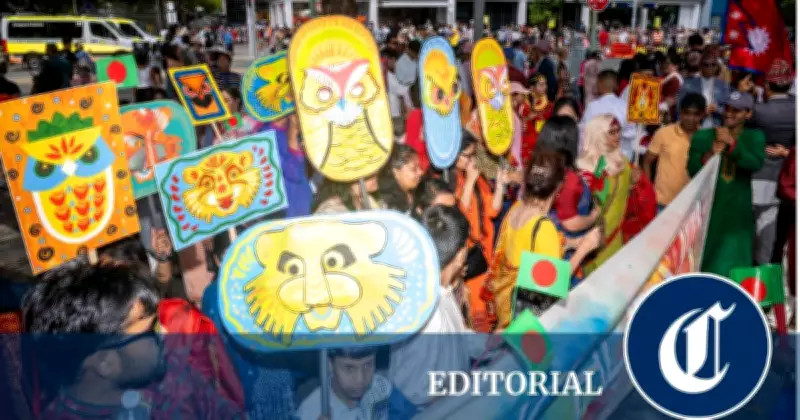
For countless residents of the Australian capital, the National Multicultural Festival stands as the city's most cherished and anticipated gathering. The atmosphere throughout the weekend is consistently easygoing and genial, with crowds that respectfully make space for one another. The event truly brings together all generations, from excited children to delighted grandparents, creating a inclusive environment for men and women alike.
A Global Culinary Journey on Canberra's Streets
The festival's food offerings are both abundant and exceptional in quality. Where else could visitors stroll from one end of a city street to another while sampling culinary delights from virtually every corner of the globe? This international feast unfolds against a vibrant soundtrack of live music performances, ranging from energetic samba rhythms and passionate tango melodies to soulful African gospel and colorful Bollywood numbers.
Attendees might discover unique treats like Taiyaki ice cream, typically associated with Japan, or savor authentic West African specialties such as foo-foo accompanied by rich sauces, alongside flavorful fritters and aromatic fried rice. The sheer variety presents a delightful challenge – the wisest approach is to pace yourself, leaving room to explore multiple culinary discoveries rather than filling up on the first tempting delicacy you encounter.

These diverse foods can be complemented by an equally varied selection of beverages, including vibrantly colored juices in every imaginable flavor profile, or refreshing beers that showcase both local Australian brews and international varieties like Serbian lagers.
Community Spirit Over Commercialism
One of the festival's most commendable aspects is its resistance to feeling like a commercial rip-off. This event provides communities with a genuine platform to showcase the cultural traditions they've brought to Australia, often with creative adaptations. Participants genuinely want others to appreciate and enjoy what they're proud to share, resulting in typically reasonable pricing that contrasts sharply with the monopolistic pricing often seen at enclosed music festivals or major sporting events.
With over 200 stalls to choose from, festival-goers enjoy true freedom of choice – if one stall's prices don't appeal, they can simply move along to the next vendor. This ensures there's something to satisfy every palate and budget, maintaining the event's accessible, community-focused character.
A Timely Celebration Amidst Social Challenges
This year's festival carries particular significance and joy as it occurs during a period when divisive ideologies have gained visibility. Canberra's multicultural celebration serves as a powerful reminder of how disconnected such viewpoints are from Australia's vibrant reality. While there was once a tendency to dismiss overt racists as merely a small group of misguided individuals, recent events – including the alleged attempted bombing of a rally in Perth, rightly labeled as terrorism by authorities – have demonstrated their dangerous potential.
Similarly, when a few dozen black-clad men gathered outside NSW Parliament House in Sydney last November, it sparked justified public outcry. Yet these tiny, divisive gatherings are dramatically overshadowed by the thousands-strong crowds who joyfully participate in the National Multicultural Festival each year.
For all decent Australians, making individual stands against the idiocy of white supremacist ideologies remains crucial, and this festival provides a perfect opportunity to do exactly that. It stands as a living testament to Australia's tolerant and inclusive spirit.
The National Significance of a Capital Event
The word "national" in the festival's title holds genuine importance. In recent years, approximately 400,000 people have attended annually, with tens of thousands traveling from outside the Australian Capital Territory. These visitors leave with a brilliant impression of the nation's capital as a welcoming, diverse, and celebratory city.

However, a thoughtful caveat deserves consideration: organizers must guard against excessive commercialisation. The festival's origins in the 1980s saw community groups simply coming together to share their foods and cultural traditions. While it has since grown into a major three-day event, it has remarkably retained that original sense of spontaneity and authentic community organization.
The event still feels like a festival created by communities rather than by government bodies or large commercial enterprises. Celebration, not profit, remains the essential guiding principle. As pressures for sponsorship and commercial involvement inevitably grow in coming years, preserving this fundamental community-togetherness spirit will be vital to maintaining the festival's unique character and enduring appeal.