

What Causes Thunder?
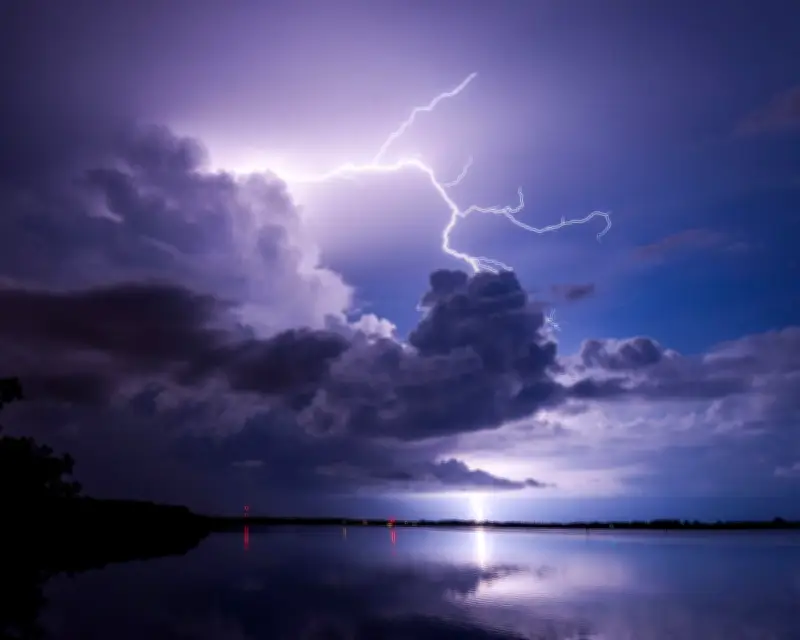
Thunder is the sound produced by lightning. When a lightning bolt strikes, it rapidly heats the surrounding air to about 30,000°C (54,000°F)—five times hotter than the surface of the Sun. This extreme heating causes the air to expand explosively, creating a shock wave that we hear as thunder.
The Speed of Sound vs. Light
Because light travels much faster than sound (299,792 km/s versus 343 m/s), we see lightning before we hear thunder. By counting the seconds between the flash and the boom, you can estimate the distance to the lightning: every 5 seconds equals roughly 1.6 km (1 mile).
Why Thunder Rumbles
The rumbling sound of thunder is due to the fact that lightning is not a single point but a long channel. Sound waves from different parts of the channel arrive at different times, causing a prolonged rumble. Additionally, atmospheric conditions and reflections off clouds and terrain can affect the sound.

Types of Thunder
Thunder can be classified as a sharp crack or a low rumble depending on the distance and orientation of the lightning channel. A nearby strike produces a loud, sharp crack, while distant lightning produces a low, prolonged rumble.
Safety Facts
According to the National Weather Service, the flash-to-bang method is a simple way to gauge lightning distance. If the time between seeing lightning and hearing thunder is less than 30 seconds, you are in danger of being struck. The safest place during a thunderstorm is indoors.