The European Union's new Entry/Exit System (EES) has led to significant disruptions at airports across the continent, with passengers reporting hours-long queues and missed flights. The system, which began operation on July 1, 2026, replaces manual passport stamping with digital registration for non-EU travelers, including Britons.
What is the EES and why is it causing delays?
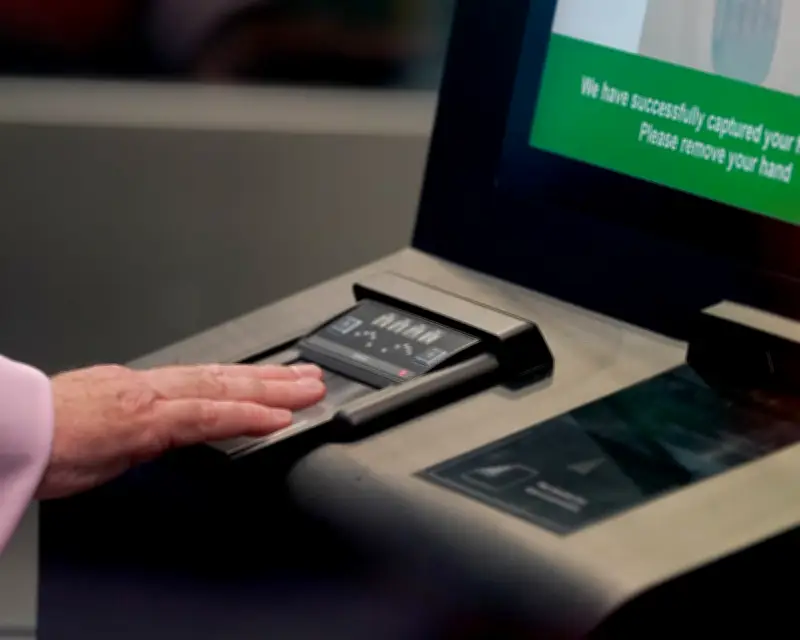
The EES is a biometric border control system that requires travelers from outside the EU to register their name, travel document details, and biometric data (fingerprints and facial images) upon entry and exit. The system aims to enhance security and monitor overstays, but its rollout has been plagued by technical glitches and understaffing at border points. According to EU officials, the system was designed to process travelers in under 30 seconds, but real-world performance has been far slower.
At major hubs like London Heathrow, Paris Charles de Gaulle, and Amsterdam Schiphol, queues have stretched for over three hours, leading to missed connections and angry passengers. A spokesperson for Heathrow Airport stated, 'We are working closely with border authorities to mitigate delays, but the current situation is unacceptable.'

Impact on travel and tourism
The delays have caused widespread frustration among travelers, particularly during the peak summer season. The UK Foreign Office has issued a travel advisory warning Britons to allow extra time for border checks. Tourism industry bodies have expressed concern that the chaos could deter visitors and harm the recovery of the sector post-pandemic.
In the first week of operation, over 1.2 million non-EU travelers were processed under the EES, but the average processing time was 67 seconds per person, more than double the target. EU Commission President Ursula von der Leyen acknowledged the teething problems, saying, 'We are aware of the difficulties and are working with member states to ensure a smooth implementation.'
Brexit factor and political fallout
The delays have reignited debates about Brexit, as British travelers now face stricter controls than when the UK was an EU member. Pro-Brexit campaigners argue that the disruptions are temporary and a price worth paying for sovereignty, while opponents see the chaos as a consequence of leaving the bloc. UK Prime Minister Keir Starmer called for calm, stating, 'We are in contact with EU counterparts to resolve these issues as quickly as possible.'
Industry experts warn that the delays could persist for months as border staff become more familiar with the system. Meanwhile, airlines have urged the EU to temporarily ease checks during peak hours to prevent further disruption. The EES is expected to be fully operational by 2027, but for now, travelers are advised to plan ahead and brace for long waits.