Cruise Ship Delivers Critical Medical Support to Isolated Chilean Island
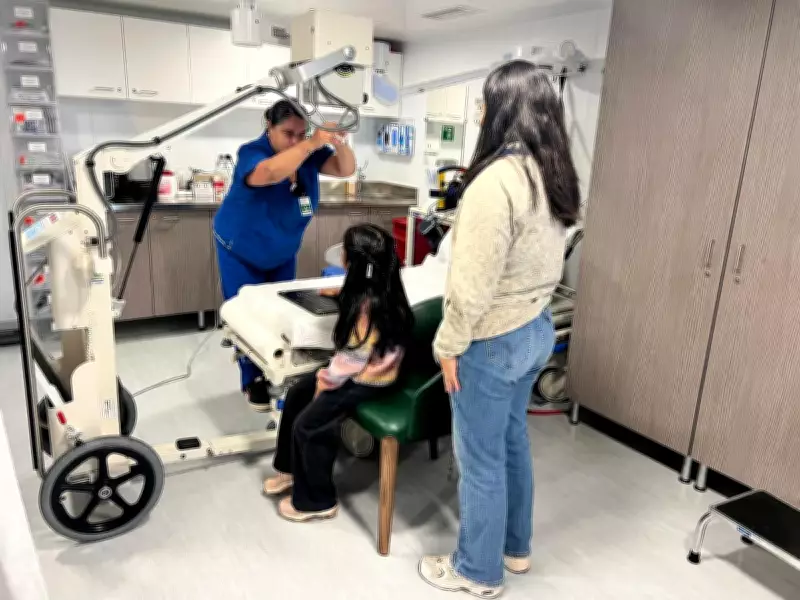
In a remarkable display of humanitarian assistance, the luxury cruise vessel Seabourn Pursuit extended vital medical aid to the remote community of Robinson Crusoe Island in Chile's Juan Fernandez Islands during a visit on April 4, 2026. The ship's crew stepped in to provide urgent X-ray services, addressing a significant healthcare void that had persisted since February when the island's only X-ray machine became non-operational.
Addressing a Healthcare Crisis in a Remote Locale
A spokesperson for Seabourn Cruises elaborated on the situation, noting that Robinson Crusoe Island, situated approximately 800 kilometers west of Santiago, lacks any local imaging capabilities. This deficiency forces residents to undertake arduous journeys to mainland Chile for essential diagnostic scans. With transportation options severely limited, a backlog of patients had accumulated, leaving many without access to timely medical care.
Prior to the ship's arrival, local health officials had proactively requested assistance from the Seabourn Pursuit team. During the visit, the onboard medical personnel conducted X-rays for residents ranging in age from four to 71 years old. The scans were subsequently reviewed through Seabourn's telemedicine partner, enabling local doctors to proceed with accurate diagnoses and appropriate treatment plans.

A Rare Instance of Cruise Infrastructure Supporting Remote Communities
The spokesperson highlighted the uniqueness of this intervention, stating, "Given how infrequently ships call to the island, it's a rare example of cruise medical infrastructure being used to support a remote community." This event underscores the potential for maritime resources to bridge gaps in healthcare accessibility for isolated populations, particularly in regions with limited infrastructure.
Historical and Ecological Significance of Robinson Crusoe Island
Robinson Crusoe Island holds a storied place in literary and natural history. It was here that sailor Alexander Selkirk was marooned from 1704 to 1709, an experience that inspired Daniel Defoe's seminal 1719 novel, Robinson Crusoe, widely regarded as the first English realist novel. Although Defoe was aware of several island survival narratives, the Chilean Government renamed the island from Mas a Tierra to Robinson Crusoe Island in 1966 in homage to this literary connection.
Originally discovered by Spanish captain and explorer Juan Fernandez in 1574, the island now bears his name as part of the archipelago. Today, Robinson Crusoe Island is designated as a UNESCO Biosphere Reserve, celebrated for its extreme biodiversity and burgeoning eco-tourism initiatives, which attract visitors seeking to experience its pristine natural environment.
The Seabourn Pursuit's visit not only provided immediate medical relief but also highlighted the ongoing challenges faced by remote communities in accessing essential healthcare services. This initiative serves as a poignant reminder of the collaborative efforts needed to support such isolated regions, blending modern medical technology with a commitment to community welfare.