
Trump's New Defence Spending Demand
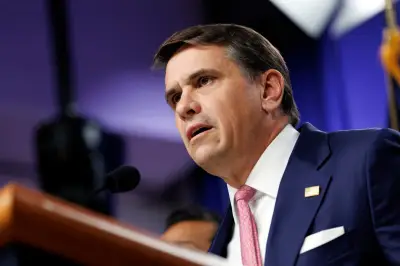
Former US President Donald Trump, addressing NATO leaders at the summit in Washington, reiterated his long-standing criticism of alliance members' defence budgets and demanded that all allies increase spending to 5% of GDP. This figure is significantly higher than the current 2% target, which many members still fail to meet. Trump argued that European nations must shoulder more of the burden for their own security, claiming the US is overstretched.
Zelenskyy's Urgent Appeal
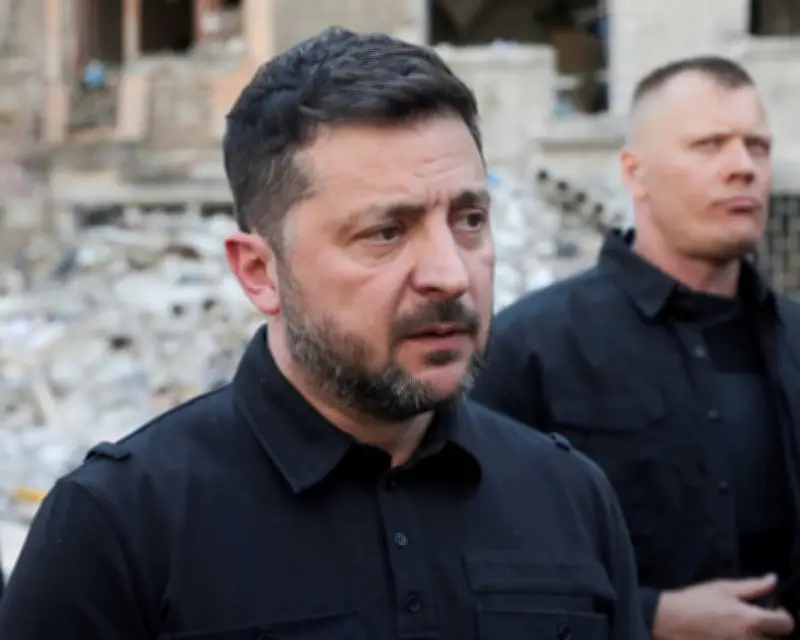
Ukrainian President Volodymyr Zelenskyy used the summit to press for faster delivery of military aid, particularly long-range missiles and air defence systems. He warned that delays in Western support are costing Ukrainian lives and allowing Russian forces to consolidate gains in the east. Zelenskyy stated, 'Every day of hesitation is a day of opportunity for the aggressor. We need decisions, not just words.' He specifically called for the provision of F-16 fighter jets and ATACMS missiles.
NATO's Response and Internal Tensions
NATO Secretary General Jens Stoltenberg acknowledged the need to bolster support for Ukraine but cautioned that the 5% target would be challenging for many economies. Several European leaders, including France's Emmanuel Macron, pushed back against Trump's demand, arguing that defence spending must be balanced with other fiscal priorities. Macron emphasised the importance of European strategic autonomy but stopped short of committing to the new figure.

Impact on European Defence and EU Spending
The summit also featured discussions on increasing EU-wide defence spending, with proposals to issue joint bonds to fund military modernisation. The Netherlands' Mark Rutte supported the idea but insisted on strict oversight. Meanwhile, Turkey's President Recep Tayyip Erdogan used the platform to raise concerns about Sweden's NATO membership, though no final decision was reached. The summit highlighted deep divisions within the alliance over burden-sharing and the pace of support for Ukraine.
Broader Geopolitical Implications
Analysts suggest that Trump's aggressive stance could accelerate European efforts to build independent defence capabilities, but also risks undermining NATO cohesion. The United Kingdom, under Prime Minister Keir Starmer, reaffirmed its commitment to the 2% target but did not endorse the 5% figure. As the summit concluded, Zelenskyy expressed cautious optimism, noting that 'the political will is there, but it must be translated into concrete action on the ground.' The coming weeks will be critical as allies weigh new military aid packages amid growing war fatigue.