BP's Meg O'Neill Joins UK PM Keir Starmer's War Council with Business Leaders
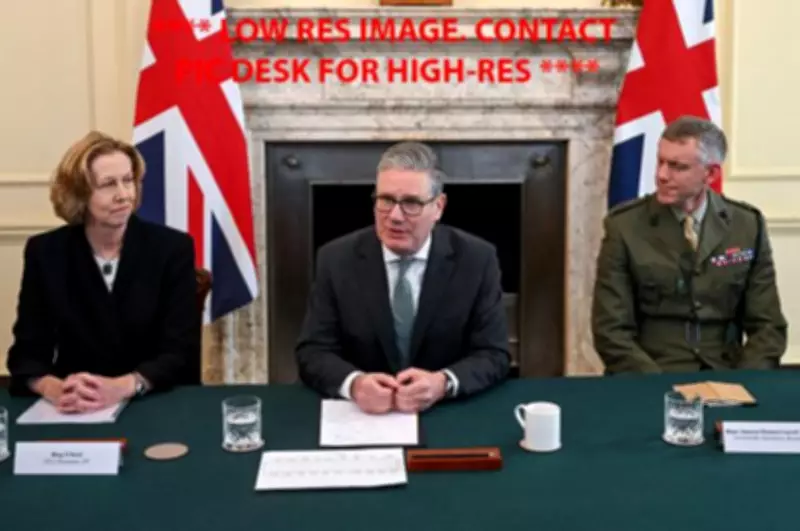
In a significant move highlighting the urgency of current global challenges, BP's interim chief executive officer, Meg O'Neill, has surfaced early at a high-stakes meeting convened by UK Prime Minister Keir Starmer. The gathering, described as a "war meeting," brings together top bosses from across the United Kingdom to strategize on pressing economic and security issues.
Early Call for BP's Leader
Meg O'Neill, who stepped into the interim CEO role at BP following Bernard Looney's departure, has been summoned to participate in this critical assembly. Her inclusion underscores the energy giant's pivotal role in the UK's economic landscape and its importance in national strategy discussions. The meeting, which is taking place sooner than many anticipated, signals the government's proactive approach to engaging with corporate leaders amid escalating international tensions.
Starmer's Business War Council
Prime Minister Keir Starmer is orchestrating this war council to foster collaboration between the government and the private sector. The session aims to address key areas such as energy security, economic stability, and geopolitical risks. By gathering CEOs from various industries, Starmer seeks to leverage their expertise to formulate robust policies that can withstand global pressures.

This initiative reflects a broader trend of governments increasingly turning to business leaders for insights during crises. The meeting is expected to cover topics like supply chain resilience, investment in critical infrastructure, and strategies to mitigate the impacts of international conflicts on the UK economy.
Implications for BP and the Energy Sector
For BP, O'Neill's participation is particularly noteworthy. As the company navigates its transition towards cleaner energy while maintaining its traditional oil and gas operations, input from such high-level government discussions could shape its future direction. The energy sector, given its strategic importance, is likely a focal point in the war meeting, with discussions potentially touching on:
- Energy pricing and market volatility
- Investment in renewable energy projects
- National security concerns related to energy supplies
- Regulatory frameworks to support sustainable growth
The early timing of this meeting suggests that the UK government is prioritizing rapid action, possibly in response to recent geopolitical developments that threaten economic stability.
Broader Business Community Engagement
Beyond BP, the war council includes leaders from other major UK corporations, spanning sectors such as finance, technology, and manufacturing. This collective effort aims to create a unified front in tackling challenges that could impact the nation's prosperity. Starmer's approach emphasizes partnership over partisanship, seeking to harness the private sector's innovation and resources for public good.
In conclusion, Meg O'Neill's early involvement in Prime Minister Keir Starmer's war meeting highlights the critical intersection of business and government in today's complex world. As global tensions rise, such collaborations are becoming essential for navigating uncertainties and securing a stable future for the UK economy.