Israel launched fresh strikes on Iranian regime targets in Tehran early Saturday, following multiple rounds of Iranian missile fire toward Israel. The Israeli military also targeted Hezbollah in Beirut earlier the same day, according to the Israel Defence Forces.
Air raid sirens sounded across large parts of Israel after missiles were identified from Iran at least three times within six hours. No casualties were reported, and Israel's defense systems were activated to intercept the incoming fire.
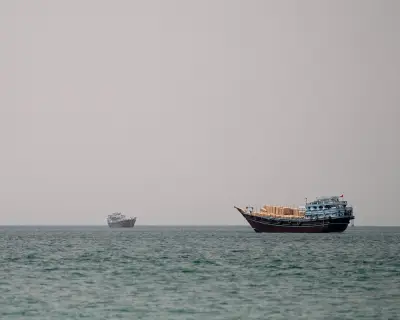
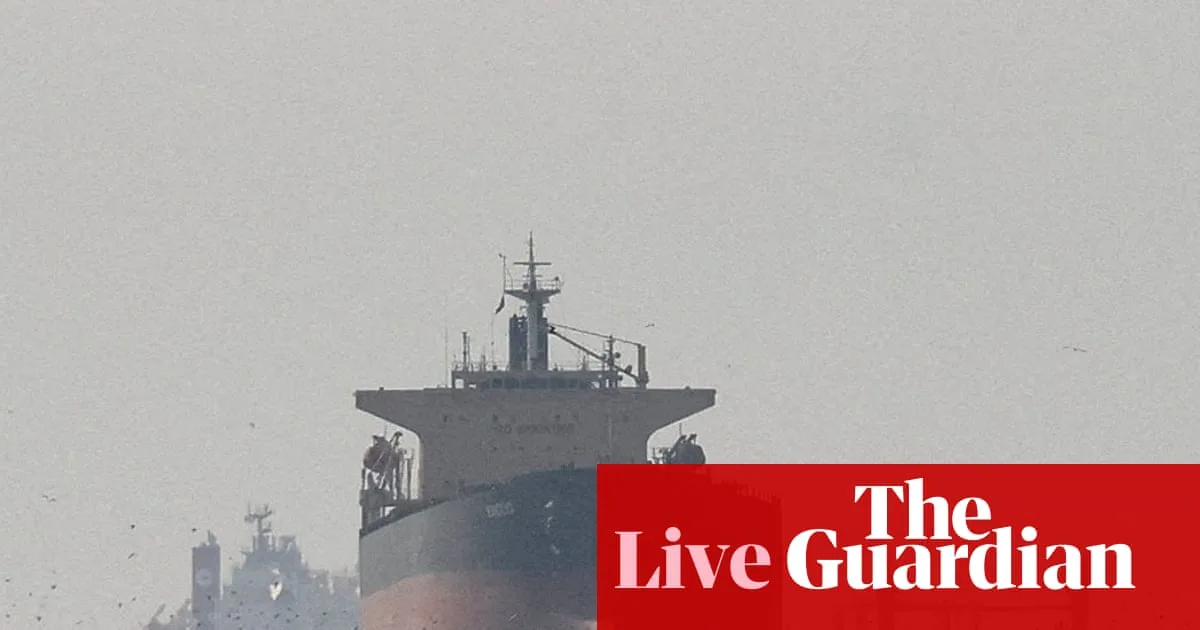
Iranian Foreign Minister Abbas Araghchi stated that Iran has not closed the Strait of Hormuz but has imposed restrictions on vessels from countries involved in attacks against Iran. He offered safe passage for nations like Japan if coordinated with Tehran, as Japan relies on the Middle East for over 90% of its crude oil imports.

Iran also fired two intermediate-range ballistic missiles at the joint US-UK military base on Diego Garcia in the Indian Ocean, according to US officials. One missile failed in flight, and a US warship fired an interceptor at the other, though it is unclear if it was intercepted. The attack suggests Iran's missiles have a range exceeding the previously acknowledged 2,000 km.
The strikes come amid a broader US-Israel war on Iran that began on February 28. Tehran has faced near-daily bombardment since then. Araghchi emphasized that Iran seeks not just a ceasefire but a complete and lasting end to the war.