Middle East Ceasefire Teeters as Strait of Hormuz Dispute Intensifies
A fragile ceasefire in the Middle East is hanging by a thread less than a day after its declaration, as confusion over the status of the Strait of Hormuz threatens to unravel the agreement entirely. Iranian media reports indicate the strait has been shut again, citing this move as a response to Israeli strikes against Hezbollah in Lebanon. This development has plunged the ceasefire into immediate crisis, with conflicting claims creating a volatile situation.
Conflicting Claims and Diplomatic Tensions
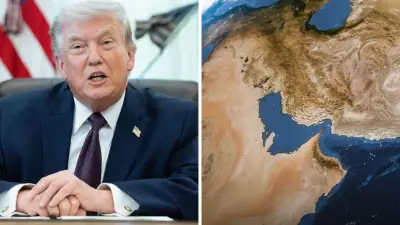
Tehran argues that the ceasefire extends to Lebanon, a claim firmly rejected by the United States, which has dismissed reports of a renewed blockade. White House Press Secretary Karoline Leavitt stated, "We have seen an uptick of traffic in the Strait today. And I will reiterate the President’s expectation and demand that the Strait of Hormuz is reopened immediately, quickly, and safely." As these opposing narratives continue, experts warn that the ceasefire is already under significant strain, highlighting deeper divisions.
Expert Analysis on the Ceasefire's Fragility
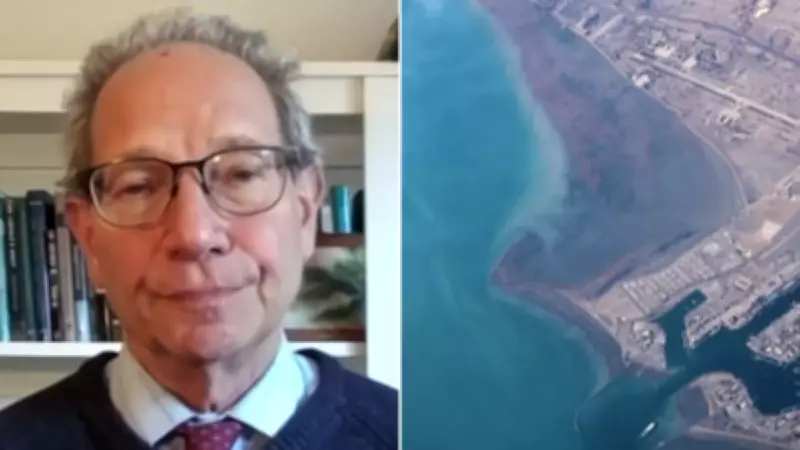
Charles Kupchan, a professor of international affairs at Georgetown University, provided insight into the confusion. He noted, "The good news is that there’s a ceasefire and the massive violence that Trump promised as of 8pm last night US time isn’t happening." However, he pointed out critical differences: "But the big differences are, is Lebanon covered? Iran says it is. It’s included. And the US and Israel say no. We heard earlier in the day some ships were passing through the Strait, now it’s closed." Kupchan was blunt in his assessment, describing the situation as "a big hot mess."

Root Causes and Global Implications
The dispute centers on fundamentally different interpretations of the ceasefire terms. Iran has outlined a 10-point plan, while the Trump administration presented roughly 15 conditions, with no clear overlap between the two. Kupchan emphasized that Iran has backed proxy groups fighting Israel, including Hamas, Hezbollah, and the Houthis, stating, "In this respect, it’s an extension of the war. I do think that in the name of peace, it would make sense for all sides to stop the violence for now and step back from the brink to allow the negotiations to proceed."
He warned that the stakes are exceptionally high, particularly for global markets, with the Strait of Hormuz being a "must have" for Trump. Kupchan cautioned, "He is watching the disruption to the global economy from the closing of that strait. He needs it to be open. If it is not open, we’re going to see the bombs start to drop again on Iran." Negotiations are expected to begin this weekend in Pakistan, but Kupchan warned that the lack of alignment could make progress difficult, potentially leading to renewed hostilities.