Expert Warns Thousands of Troops May Be Needed to Secure Iran's Uranium Stockpile
Peace talks between the United States and Iran could be just days away from resuming, but a former Pentagon official has issued a stark warning that securing Tehran's uranium stockpile might require thousands of troops on the ground. This revelation comes as diplomatic efforts intensify ahead of a critical two-week ceasefire deadline.
Trump Hints at Imminent Negotiations
US President Donald Trump has suggested that negotiations between Washington and Tehran might restart this week. During a recent interaction with a reporter in Pakistan, Trump advised them to remain in the country, hinting that "something could be happening" over the next two days. Officials are now scrambling to arrange a meeting before the ceasefire expires in a week, following unsuccessful talks over the weekend.
The Real Battle Over Uranium
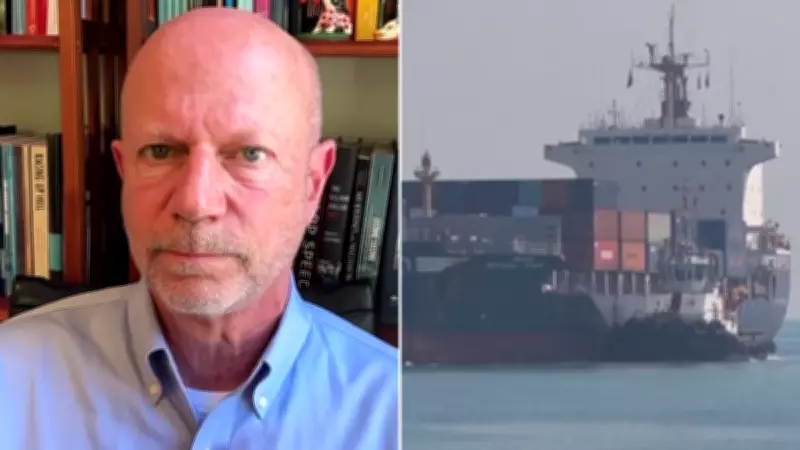
While much of the negotiation focus has centered on how long Iran should be banned from enriching uranium, former Obama administration Assistant Secretary of Defence Andrew Webber told Sunrise that the more pressing issue is the existing stockpile. The key concern is the approximately 440 kilograms of uranium stored in tunnels at Isfahan, which Webber described as equivalent to about 10 nuclear bombs' worth of 60 percent enriched, highly enriched uranium.

Webber emphasized that this material could be rapidly converted into nuclear weapons, making it the most urgent risk in the current standoff. The uranium is believed to be housed in underground tunnels that were bombed during the "Midnight Hammer" operation in June, with entrances now sealed, further complicating access.
Military Presence Required for Removal
Removing this uranium would not only be technically challenging but would likely necessitate a significant military presence. Webber warned that thousands of troops might be needed on the ground, as the operation could not be completed quickly. "It would take days, weeks, or perhaps even a month or more," he explained, highlighting the scale and complexity of such a mission.
He pointed out that a purely military solution is improbable due to these logistical hurdles, advocating instead for a negotiated outcome. Webber recommended that Iran cooperate with international experts under the supervision of the International Atomic Energy Agency (IAEA) to safely package and transport the material to a third country.
Sticking Points in Negotiations
This uranium issue has emerged as a major sticking point in the talks, alongside disagreements over the duration of Iran's enrichment ban. The United States is pushing for a 20-year prohibition, while Iran has offered only five years. An initial round of discussions ended without an agreement on Iran's nuclear ambitions, which the White House identifies as a central obstacle.
A US official, speaking anonymously, confirmed that no further peace talks have been scheduled yet. As the deadline looms, the international community watches closely, with the potential for a large-scale military operation adding a new layer of complexity to the diplomatic efforts.