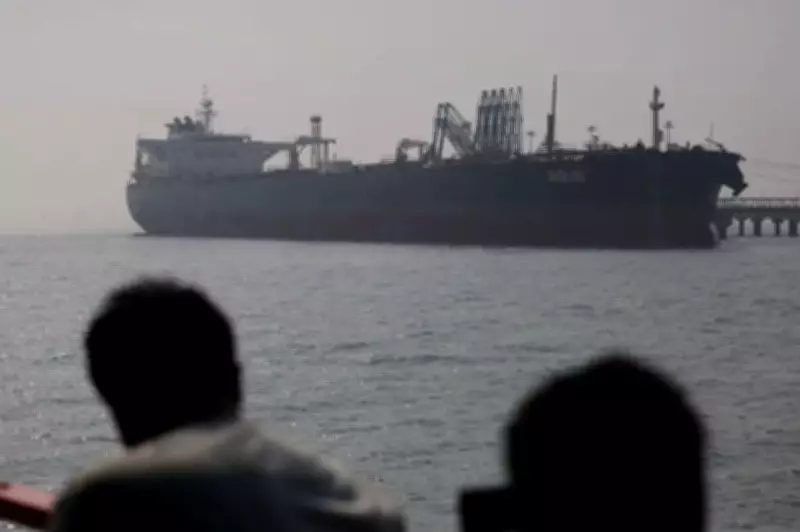
US Military Launches Blockade of Vital Hormuz Strait
The United States Navy has officially initiated a strategic blockade of the Strait of Hormuz, a narrow maritime passage that serves as a crucial gateway for global oil shipments. This decisive military action marks a significant escalation in regional tensions and poses immediate threats to international energy security and trade flows.
Strategic Importance of the Strait
The Strait of Hormuz is one of the world's most vital maritime chokepoints, located between Iran and Oman. It facilitates the transit of approximately one-fifth of the world's total oil consumption, with millions of barrels passing through daily from major producers like Saudi Arabia, Iraq, and the United Arab Emirates. Any disruption to this corridor can trigger severe economic repercussions globally, including spikes in fuel prices and supply chain instability.
Details of the Naval Operation
According to military sources, the blockade involves a coordinated deployment of US warships, including destroyers and aircraft carriers, which are now actively monitoring and restricting vessel movements through the strait. The operation aims to enforce maritime security protocols, though it has been met with strong condemnation from regional powers, particularly Iran, which views the action as a provocative infringement on its sovereignty.

The US government has cited heightened security concerns and the need to protect international shipping lanes from potential threats as justification for the blockade. However, critics argue that this move could further destabilize an already volatile region, potentially leading to retaliatory measures and broader conflicts.
Global and Regional Implications
The immediate impact of the blockade is being felt across global markets, with oil prices surging in response to fears of supply disruptions. Key stakeholders, including European and Asian nations heavily reliant on Middle Eastern oil, are expressing alarm over the situation. Diplomatic efforts are underway to de-escalate tensions, but the blockade underscores the fragile nature of geopolitical relations in the area.
In the Middle East, reactions have been sharply divided. While some Gulf states have quietly supported the US action as a measure against perceived Iranian aggression, others warn of escalating hostilities that could draw in multiple actors. The blockade also raises questions about the future of international maritime law and the role of military power in regulating global trade routes.
Looking Ahead
As the blockade continues, analysts predict prolonged uncertainty for energy markets and increased military posturing in the region. The situation remains fluid, with potential for diplomatic breakthroughs or further escalations depending on the responses from involved parties. The world watches closely as this critical development unfolds, highlighting the interconnectedness of global security and economic stability.