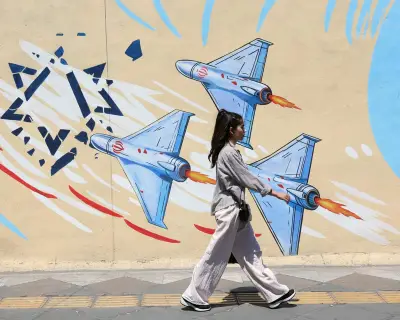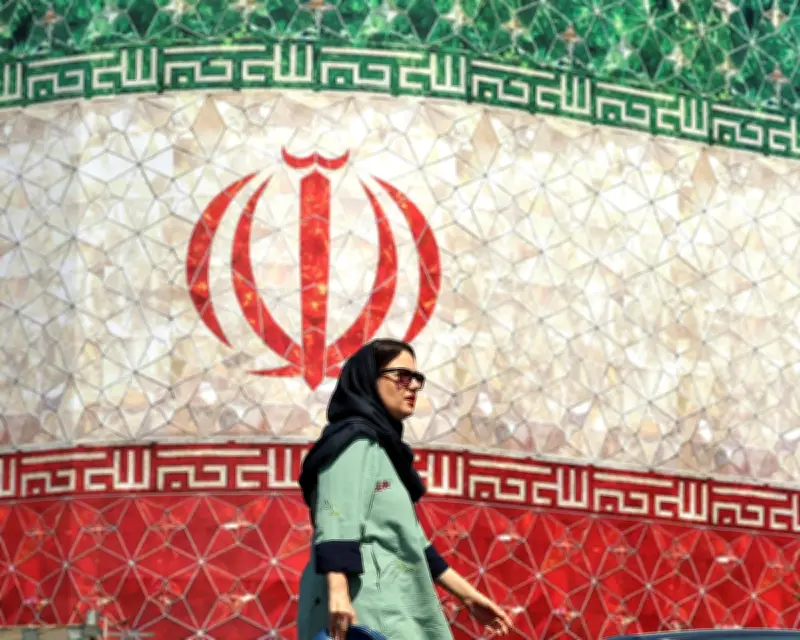
Iranian hardliners have launched a vociferous campaign to derail the proposed peace deal with the United States, intensifying political divisions in the country. The agreement, which has been under negotiation for months, aims to address longstanding disputes over Iran's nuclear program and regional influence. However, conservative factions within Iran's political establishment argue that the deal compromises national sovereignty and yields too much to American demands.
Hardliner Opposition Intensifies
Leading the charge against the peace deal are prominent figures aligned with the Islamic Revolutionary Guard Corps (IRGC) and conservative clerics. They have taken to state media, Friday prayers, and social media platforms to voice their opposition. Their central argument is that the United States cannot be trusted to uphold its end of any agreement, citing past instances where Washington withdrew from international pacts. They also claim that the deal would open the door for increased American espionage and cultural influence in Iran.
In recent days, hardliner lawmakers have introduced a motion in parliament to block the government from ratifying any agreement without explicit approval from the Supreme Leader. They have also organized rallies in major cities, drawing thousands of supporters who chant slogans against the deal and the United States.

Government's Position Under Siege
The moderate government of President Hassan Rouhani, which has staked much of its political capital on reaching a deal, is now facing its most serious challenge. Rouhani and his allies argue that the peace agreement is essential for lifting crippling economic sanctions and improving the lives of ordinary Iranians. They warn that rejecting the deal would isolate Iran further and lead to a new wave of international pressure.
However, the hardliner push has gained momentum, especially after leaked documents suggested that the deal includes provisions for inspections of military sites and restrictions on Iran's missile program. These provisions are seen by hardliners as red lines that should never be crossed.
Regional and International Reactions
The internal Iranian turmoil has not gone unnoticed abroad. The United States has expressed concern over the hardliner campaign, with a State Department spokesperson urging all parties to engage in constructive dialogue. Meanwhile, regional rivals such as Saudi Arabia and Israel have voiced support for the hardliner position, seeing the collapse of the deal as a strategic advantage.
Analysts suggest that the outcome of this political battle will have far-reaching implications for the Middle East. If the hardliners succeed in scuttling the deal, it could lead to increased tensions and even conflict. Conversely, if the deal goes through, it might pave the way for a new era of Iranian engagement with the West.
What Lies Ahead
The coming weeks will be critical as both sides ramp up their efforts. The Supreme Leader, Ayatollah Ali Khamenei, has remained largely silent on the matter, but his eventual stance will likely be decisive. Observers note that Khamenei has historically supported hardliner positions, but he has also shown pragmatism when it serves the regime's interests.
For now, the fate of the peace deal hangs in the balance. The hardliner push represents the most significant domestic challenge to the Rouhani administration's foreign policy, and the outcome will shape Iran's trajectory for years to come.