A proposed peace deal between the United States and Iran may reopen one of the world’s most important shipping routes, but a foreign policy expert has cautioned that it is far too early to celebrate lasting peace in the Middle East.
Deal Details and Expert Concerns
The agreement, set to be signed in Switzerland on Friday, would reopen the Strait of Hormuz to oil, gas and fertiliser shipments, lift US sanctions on Iran and provide the country with $300 billion in reconstruction funding. However, Jonathan Wachtel, a former senior policy adviser at the US mission to the United Nations, expressed deep skepticism about the deal's ability to bring stability to the region.
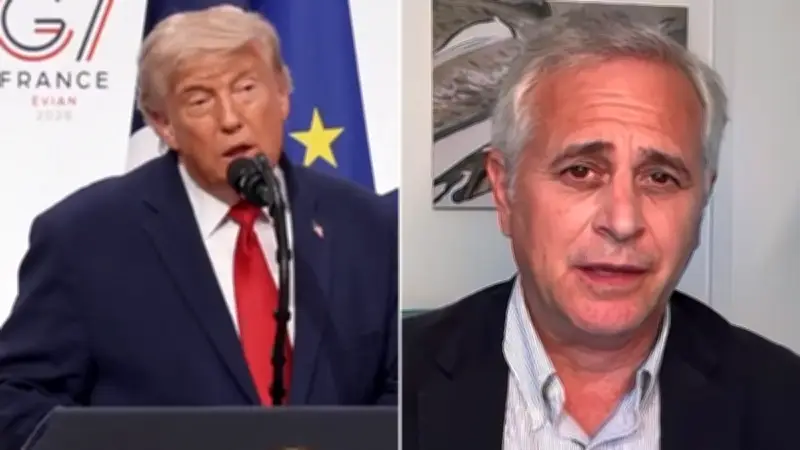
“What we’re looking at right now is a very simplistic document and, frankly speaking, it really puts the US on equal footing with the Islamic Republic regime in terms of what each side’s supposed to do,” Wachtel told Sunrise. He added that he was “certainly not confident at all” that the deal would deliver lasting peace.

Trump's Warning and Unresolved Issues
His concerns come as President Donald Trump warned that the US could resume military action if Iran failed to comply with the agreement. “And if they don’t honour that, we’ll probably go back to bombing them until they honour it, you know. It’s amazing what bombs can do,” Trump said.
Wachtel argued that the proposal should not yet be viewed as a genuine peace agreement, warning that major issues remain unresolved. “Technically, this is not an agreement, as it were. It’s a deal to try to get to an agreement,” he said. “There are so many things that have not been settled here. So really, what this does is it opens up the Strait of Hormuz for oil trade ... but frankly speaking, we have a long way to go.”
Glaring Omissions and Past Lessons
Wachtel highlighted significant flaws in the proposal, including the absence of provisions dealing with Iran’s ballistic missile program and uncertainty surrounding the source and oversight of the $300 billion payment. “There are serious problems that I’m seeing and certainly glaring things left out of it,” he said.
He also noted that previous agreements included restrictions preventing sanctions relief from being used to support military enterprises or nuclear programs, provisions he said are notably absent from the current framework. The lack of these safeguards raises concerns about how the funds might be utilised.
While the reopening of the Strait of Hormuz could have positive implications for global energy markets, Wachtel emphasised that the path to a comprehensive and lasting peace remains fraught with challenges. The international community will be watching closely as the deal moves forward, with many hoping that further negotiations will address the outstanding issues.