
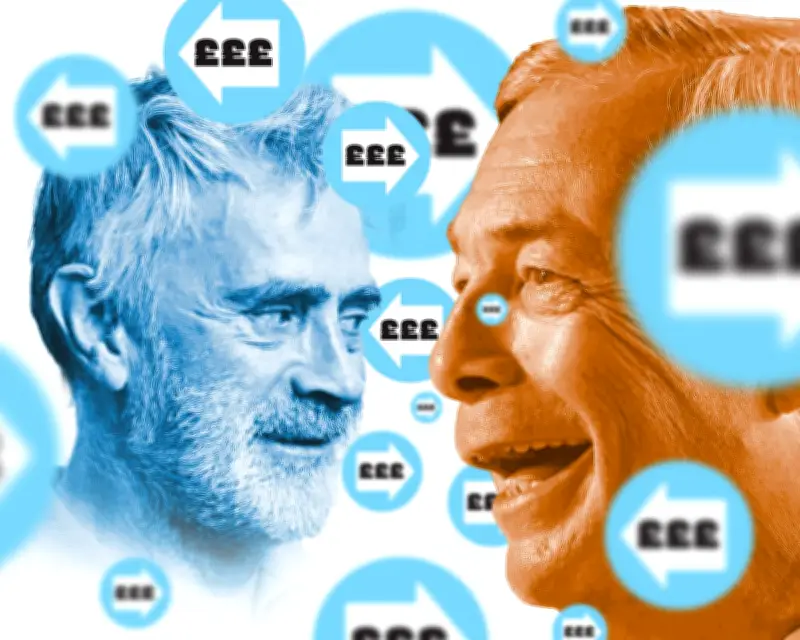
Nigel Farage, the former Brexit Party leader and prominent political figure, is at the centre of a money laundering probe after a £5 million gift from a controversial donor was reported to the UK’s National Crime Agency (NCA). The revelation, based on a leaked document, has sparked fresh scrutiny over the sources of political funding and the transparency of donations.
The £5m Donation and Its Source
The donation, made in 2023, originated from a wealthy individual with ties to Russia and other jurisdictions known for financial opacity. According to the leaked document, the donor’s identity was initially obscured through a series of offshore accounts and shell companies, raising red flags with compliance officers at the receiving organisation. The gift was intended to support Farage’s political activities, including his media ventures and campaign efforts.
The report to the NCA was filed by a financial institution that processed the transaction, citing suspicions that the funds may have been derived from illicit activities or intended to circumvent anti-money laundering regulations. The NCA has confirmed receipt of the report but declined to comment further, stating that investigations are ongoing.

Political and Legal Implications
The revelation has reignited debates about the regulation of political donations in the UK. Critics argue that current laws are insufficient to prevent foreign or illicit funds from influencing domestic politics. “This case highlights the urgent need for tougher oversight of political financing,” said a spokesperson for the campaign group Transparency International UK. “The public deserves to know who is funding our politicians and whether those funds are legitimate.”
Farage has denied any wrongdoing, describing the donation as a legitimate gift from a supporter who shares his political vision. In a statement, he said: “I have always acted within the law, and this donation was properly declared. Any suggestion of money laundering is baseless and politically motivated.” However, the leaked document suggests that the donor’s background and the complex transfer structure prompted the financial institution to file a Suspicious Activity Report (SAR), a standard procedure when potential money laundering indicators are present.
Broader Context of Political Donations
The case is part of a wider pattern of concerns over the influence of wealthy donors in UK politics. In recent years, several high-profile donations have come under scrutiny, including those from individuals with controversial business interests or links to foreign governments. The Electoral Commission, which oversees political donations, has called for reforms to increase transparency, including real-time disclosure of donations and stricter checks on the origin of funds.
The NCA’s involvement elevates the matter to a criminal investigation, potentially leading to charges if evidence of money laundering is found. Legal experts note that while filing a SAR does not imply guilt, it indicates that the transaction was deemed suspicious by professionals trained to identify financial crime. “The threshold for reporting is relatively low,” explained a former NCA officer. “It means the bank had reasonable grounds to suspect money laundering, but it’s up to the authorities to determine whether further action is warranted.”
Farage, who has been a polarising figure in British politics, has previously faced questions over his financial dealings. He has consistently denied any impropriety and has accused his detractors of a smear campaign. The latest development is likely to intensify political pressure on him and could affect his future ambitions, including potential plans to stand for parliament or lead a new political movement.
Next Steps in the Investigation
The NCA will now assess the SAR and decide whether to launch a full investigation. If they proceed, they may seek to trace the funds, examine the donor’s financial history, and interview those involved. The process could take months or even years, depending on the complexity of the case and the cooperation of foreign authorities.

Meanwhile, the Electoral Commission is expected to review whether any rules were breached in the declaration of the donation. Under UK law, donations over £500 must be reported to the Commission, with details of the donor made public. However, if the donor is not a permissible source—such as an overseas entity—the donation could be illegal. The Commission has not yet commented on the specific case.