

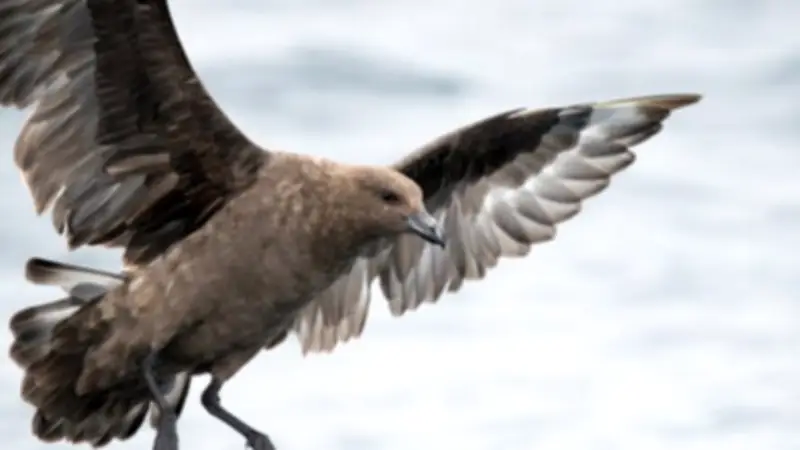
Australia has confirmed its first case of highly pathogenic avian influenza (HPAI) H5N1, specifically the clade 2.3.4.4b lineage, in a brown skua found in Cape Le Grand National Park near Esperance, Western Australia. A second suspected case involves a southern giant petrel from the same area. Samples have been sent to the CSIRO for confirmation.
Origin and Evolution of the Virus
Avian influenza viruses have existed for millennia, with most strains causing no disease in birds. However, in 1996, a strain evolved into HPAI H5N1, causing severe disease in poultry. With chickens now comprising about 70% of all birds worldwide, this reservoir has allowed the virus to evolve continuously. Since 2021, HPAI H5N1 has caused a global animal pandemic, devastating wildlife across continents, killing millions of wild birds and significantly reducing populations of some species. It has also spread to wild and domestic mammals, particularly seals.
Transmission Pathways
The virus spreads through multiple routes: via faeces in water, direct contact, aerosol transmission in poultry farms, and through predation or scavenging of infected carcasses. It has been found in over 400 bird species. Freshwater dabbling ducks, which show limited signs of disease and can migrate while infected, play a key role in long-distance spread. For example, 33–47% of adult northern gannets died in 2022 due to HPAI H5N1, and on subantarctic Heard Island, 13,000 baby southern elephant seals died during the 2025–26 summer.

Why Australia Remained Unaffected Until Now
Despite being present in Asia since the 1990s and in Antarctica since 2024, HPAI H5N1 had not been detected in Australia until now. This is likely because no duck species routinely migrate between Australia and Asia or through Antarctica. The virus reached Antarctica in the summer of 2023–24 and spread through the subantarctic in 2024–25, likely carried by gulls, skuas, and giant petrels. These species breed in Antarctic waters and roam the Southern Ocean, occasionally venturing near Australian shores.
Potential Impact and Next Steps
The confirmed case does not guarantee establishment of the virus in Australia. Skuas and giant petrels are marine species and do not occur on land in large numbers outside breeding season, so further spread may be limited. However, if infected birds are scavenged by native birds or mammals, the virus could reach duck populations, dramatically increasing spread risk. Continued surveillance led by Western Australia is critical. Authorities urge the public not to touch or take sick animals and to report suspected cases to the Emergency Animal Disease Hotline on 1800 675 888. Farmers should follow government guidelines and report unusual poultry deaths.