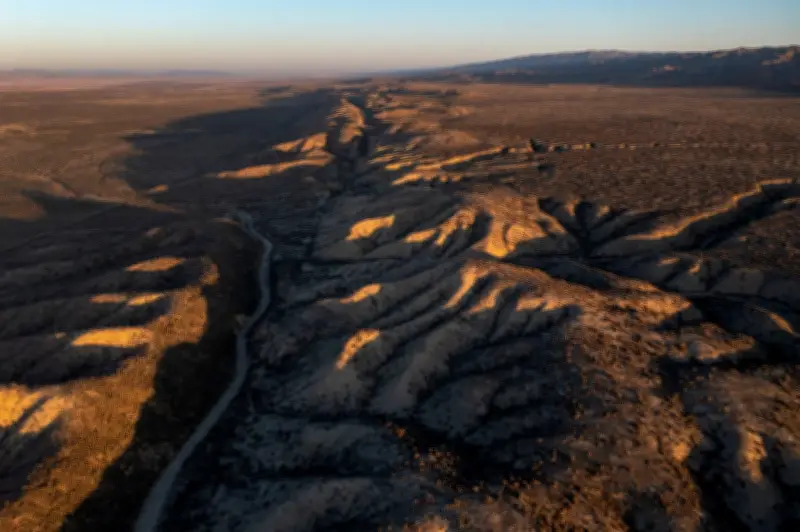
A recent scientific study has revealed that California's earthquake risk may be higher than previously thought due to the interconnected nature of the state's tectonic systems. Researchers have found that multiple fault lines, including the San Andreas, are linked in ways that could amplify seismic activity.
Study findings
The study, published in the journal Nature Geoscience, analyzed data from thousands of years of earthquake history. It shows that when one major fault ruptures, it can increase stress on nearby faults, leading to a cascade of quakes. This domino effect could produce earthquakes of magnitude 8 or higher along the San Andreas Fault system.
Implications for California
California is home to over 39 million people, many living near active faults. The study suggests that emergency preparedness plans may need to be updated to account for the possibility of multiple large earthquakes occurring in quick succession.

- San Andreas Fault: The most well-known fault, running from Northern to Southern California.
- Hayward Fault: Located in the East Bay, poses a significant threat to the San Francisco Bay Area.
- San Jacinto Fault: Active in Southern California, near populated areas.
Expert opinions
Dr. Sarah Thompson, a seismologist at the University of California, Berkeley, stated: “This research changes our understanding of earthquake risk. We can no longer view faults as isolated systems. The interaction between them is critical for predicting future earthquakes.”
However, some experts caution that while the risk is higher, predicting exactly when and where earthquakes will occur remains impossible. The study emphasizes the need for continued monitoring and research.
Preparedness measures
In response to the findings, California officials are urging residents to update emergency kits, secure heavy furniture, and develop family communication plans. The state has also invested in early warning systems that can provide seconds to minutes of notice before shaking arrives.
- Secure water heaters and appliances.
- Know how to shut off gas and water.
- Store important documents in a fireproof safe.
Conclusion
The study highlights the complex nature of earthquake science and the importance of preparing for the unexpected. While the risk is elevated, proactive measures can save lives and reduce damage.