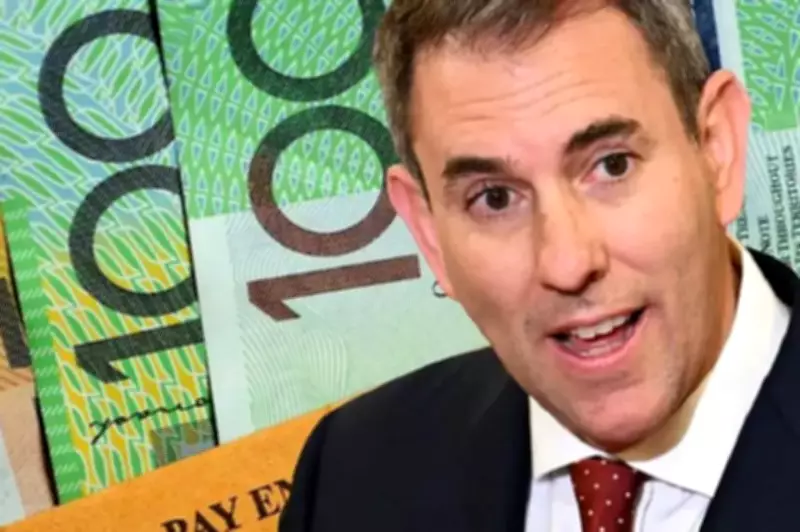
The federal government has unveiled a sweeping proposal to halve income tax for middle-income earners, a move it says will stimulate consumer spending and drive economic growth. Under the plan, individuals earning between $45,000 and $120,000 annually would see their marginal tax rate drop from 32.5% to 16.25%, effective from July 1.
Key Details of the Tax Cut
The proposal, announced by Treasurer Jane Smith, is designed to put more money back into the pockets of working Australians. The tax cut would be phased in over two years, with the first reduction taking effect in the upcoming financial year. The government estimates that a typical worker earning $80,000 would save approximately $6,000 per year.
“This is about rewarding hard work and encouraging people to spend, save, and invest,” Smith said during a press conference in Canberra. “We believe this will give the economy the boost it needs.”

Impact on Government Revenue
Critics, however, have raised concerns about the impact on the federal budget. The tax cut is expected to reduce government revenue by $20 billion annually. Shadow Treasurer Mark Brown warned that the plan could lead to significant budget deficits and cuts to essential services.
“While we support tax relief for families, this reckless proposal will blow a hole in the budget and jeopardize funding for health, education, and infrastructure,” Brown said.
Economic Projections
The Treasury has modeled the proposal, projecting that the tax cut could boost GDP growth by 0.5% over the next two years. Consumer confidence is expected to rise, potentially increasing retail sales and housing market activity. However, some economists caution that the benefits may be offset by higher inflation or reduced government investment.
Dr. Emily Chen, an economist at the University of Sydney, noted that the success of the policy will depend on how households use the extra income. “If people save rather than spend, the economic multiplier effect will be limited,” she said.
Political Reactions
The proposal has divided political parties. The Liberal Party has endorsed the plan, calling it a “common-sense approach” to easing cost-of-living pressures. The Greens and independent senators have expressed skepticism, demanding more targeted support for low-income earners and increased taxes on corporations and the wealthy.
Senator Alice Green of the Greens stated, “This tax cut disproportionately benefits higher-income earners within the middle bracket. We need a fairer system that helps those most in need.”
Implementation Timeline
The government aims to pass legislation by June, with the first stage of the tax cut taking effect on July 1. The second stage, which would further reduce the rate to 16.25%, is scheduled for July 2027. The proposal will be debated in Parliament over the coming weeks.
If passed, this would be the largest income tax reduction in Australian history, surpassing the 2019 tax cuts. The government has pledged to offset some of the revenue loss through economic growth and unspecified spending cuts, though details remain scarce.
Public opinion appears mixed. A recent poll indicates that 55% of Australians support the tax cut, while 35% oppose it due to concerns about future budget sustainability. The remaining 10% are undecided.
What This Means for Taxpayers
For a worker earning $80,000, the annual tax saving would be around $6,000. For those on $100,000, the saving would be approximately $8,000. The government has released an online calculator for individuals to estimate their personal benefit.
Tax experts advise that individuals should consider adjusting their tax withholding to avoid a large refund at year-end. “It’s better to have the money in your pocket throughout the year,” said tax accountant Michael Lee.
The proposal is expected to be a key issue in the next federal election, with both major parties staking out positions. The government is betting that the tax cut will be popular enough to secure its re-election, while the opposition argues it is fiscally irresponsible.