








Politics
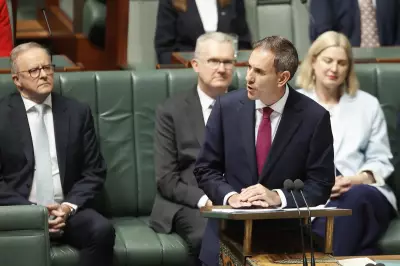
Jim Chalmers unveils $10b red tape cut plan to boost productivity
Treasurer Jim Chalmers has announced a $10 billion red tape reduction package in the Federal Budget, aiming to boost productivity and economic growth ahead of the next election.





Sports
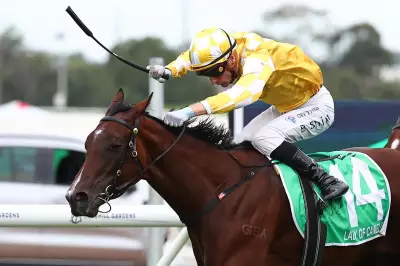
Golden Slipper Winner Lady Of Camelot Attacked By Stingray, Ruled Out Of Royal Ascot
Golden Slipper winner Lady Of Camelot is under specialist vet care after a stingray attack at a Brisbane beach, ruling her out of Royal Ascot and likely ending her racing career.


Lifestyle
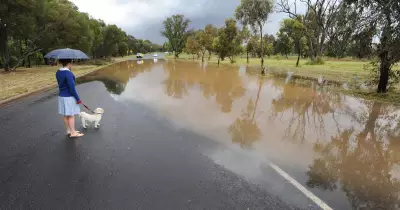
Federal Budget Allocates $50 Million for Drake Brockman Drive Upgrade
The Federal Budget has allocated $50 million to upgrade Drake Brockman Drive in Canberra, aiming to improve traffic flow and safety for commuters.



Business

Young Australians Wait Years to Save for First Home Deposit
Young Australians are spending years saving for a home deposit, with rising prices and rents making it increasingly difficult to enter the property market.




Environment



Education
More ANU council members resign after Bishop exit
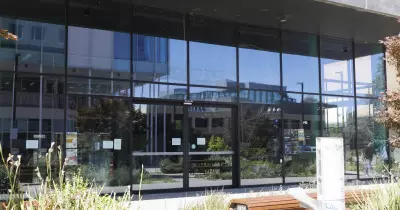
Two more members of the Australian National University council have resigned following the departure of former foreign minister Julie Bishop, citing governance concerns.

Teen Charged Over Kindergarten Fire Refused Bail
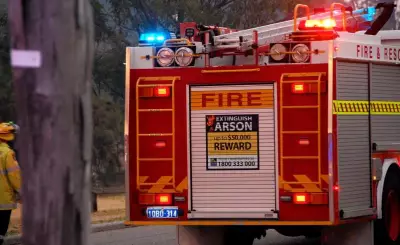
A 16-year-old boy has been refused bail after allegedly setting fire to Bentley Park Kindergarten in Cairns, causing extensive damage to the facility.

Warilla High Careers Adviser Guides Students to Future
Warilla High School's careers adviser helps students discover their strengths and navigate post-school options, from university to apprenticeships.

Curtin University Hosts Glowing Wildlife Wonderland Event
Thousands attended Curtin University's free Creatures on Campus event, featuring giant illuminated animals, animatronics, and interactive science activities to inspire conservationists.
NSW Motorcycle Licence Reforms: New Training Modules
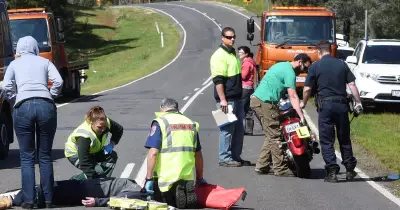
NSW introduces new online learning modules, extended pre-learner courses, group on-road coaching, and optional learning journals to improve motorcycle rider training and safety.
