Canberra Jail's Drug Detection Methods Under Scrutiny in Court
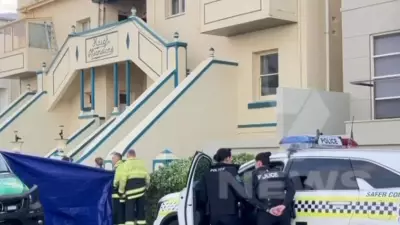
A coronial inquest into a suspected fatal drug overdose at Canberra's Alexander Maconochie Centre has raised serious doubts about the competency of correctional officers in interpreting X-ray body scans used to detect contraband. The ACT Coroner's Court heard evidence suggesting that frontline screening processes are increasingly reliant on these scans, yet staff may be ill-equipped to read them accurately.
Expert Witness Highlights Potential Oversights in Fatal Case
Radiation safety consultant David Leslie, whose company trained AMC officers, identified "suspect appearances" in the body scans of 34-year-old Aubrey Agostino, who died within a week of entering the jail in August 2024. Mr Leslie testified that these anomalies, which "do not appear to be normal anatomy," could have been missed by two correctional officers during Agostino's admission.
Based on the shape and displacement observed in groin anatomy, Mr Leslie suggested it was possible Agostino concealed contraband, such as a syringe in his underwear, using a balloon or condom. He noted that a strip search would have been the easiest way to confirm this, but previous evidence indicated an officer did not properly check Agostino's underwear during such a search.

Training Gaps and Systemic Reliance on Technology
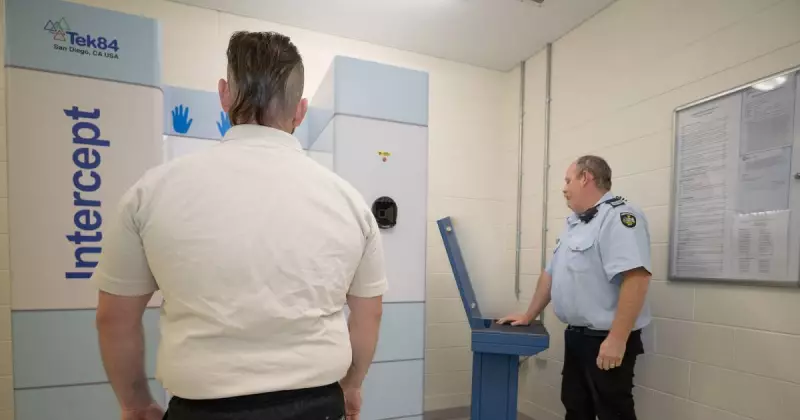
The court learned that AMC correctional officers received at least two hours of training on the Tek84 X-ray machine, introduced since 2023, but there has been no request for further "refresher" training. Mr Leslie acknowledged that while staff are qualified, some may lack university-level science backgrounds, affecting their ability to interpret scans effectively.
Coroner Ken Archer questioned whether increasing reliance on scanning machines necessitates greater technical competency among officers. "As reliance increases isn't there a greater need to increase the technical competency of the officers?" he asked, with Mr Leslie agreeing. Data from the justice directorate's annual report showed X-ray body scans accounted for 60 per cent of 281 contraband seizures in 2024-2025, underscoring their critical role.
Court Suggests Mistakes Were Made in Detection Process
During the hearing, Michael Fordham SC, from the territory's legal team, emphasised that the focus should be on systemic issues rather than individual officers. However, Coroner Archer indicated that evidence may lead to a conclusion that officers lacked sufficient technical skills to interpret Agostino's scans.
"It seems to me ... mistakes were made," Mr Archer stated. "It certainly may involve a finding ... to the extent that [officers] made errors." The inquest continues this week, examining whether failures in contraband detection, record-keeping, or internal communication contributed to Agostino's death.
This case highlights broader concerns about the effectiveness of drug detection methods in correctional facilities, as authorities grapple with balancing technology use and staff training to prevent similar tragedies.