Canberra Woman Confronts Rapist in Court, Declares Herself 'A Voice You Can't Escape'
A Canberra woman has delivered a searing victim impact statement directly to the man who raped her, telling him in the ACT Supreme Court that she hopes his guilt will eat away at him just as his actions have devastated her life. The emotional confrontation occurred during sentencing proceedings for Josh Ryan Fenwick, who was found guilty by a jury last October.
'You Haunted Me': Victim's Powerful Words in Court
Looking up from her written statement and directly at Fenwick across the courtroom, the woman stated with clarity and strength: "You haunted me." She continued, "I sit here not as your victim but as your consequence, as a voice you can't escape." The woman described how her sense of safety was shattered, saying she had been "so painfully, devastatingly wrong" to believe she was secure.
She told the court that every day since the assault has been a reminder of the horror Fenwick created, with her life falling apart piece by piece after the attack. In her statement, she described Fenwick as a "pathetic man who preyed on a child" and made clear: "I don't forgive you." Her concluding hope was that his guilt would consume him just as profoundly as his actions had affected her.

The Crime and Court Proceedings
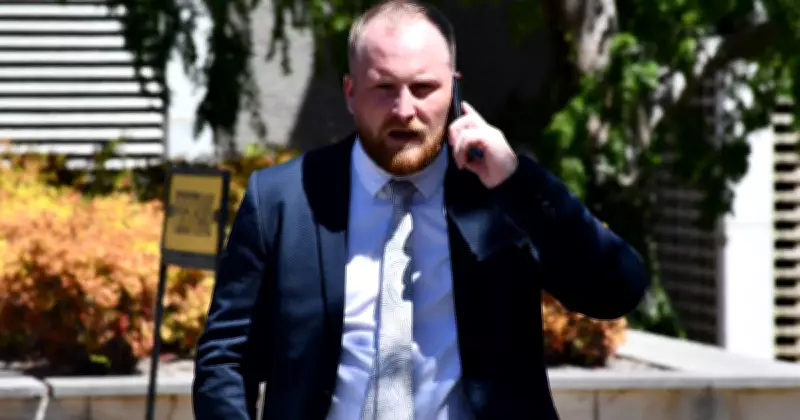
Josh Ryan Fenwick, 29, was found guilty by a jury of digitally raping the then-16-year-old girl at his Gungahlin home in 2022. The jury was satisfied that the assault occurred in Fenwick's bedroom despite the teenage victim's protests. During the trial, jurors heard that Fenwick had made sexualised comments to and about the girl before the assault, including a rejected suggestion about having a threesome.
Prosecutor Sam McLaughlin highlighted aggravating factors in the case, noting that the victim had repeatedly rebuffed Fenwick's advances before the assault. McLaughlin pointed to physical restraint, knowledge of lack of consent, and what he called "a complete disregard for the views of the victim" as particularly concerning aspects of the crime.
Defence Attempts to Delay Sentencing
Fenwick faced the ACT Supreme Court on Monday, February 2, where his defence barrister James Maher attempted to have the sentencing proceedings adjourned based on "fresh evidence" that had emerged since the conviction. Maher argued that text messages sent by the victim on the night in question—which she discovered after the trial—could have changed the trial's outcome if available earlier.
Among the messages cited was one where the victim reportedly made reference to wanting to have sex with Fenwick and his friend, using the word "youse" which the defence argued indicated plural intent. However, prosecutor McLaughlin countered that too much weight was being placed on a single letter, while Acting Justice Peter Berman noted that another message stating "I don't want Josh" actually strengthened the victim's credibility.
Judge Rejects Adjournment, Notes Poor Appeal Prospects
Acting Justice Berman refused the adjournment application, stating he was never entirely sure how the text messages could have been used effectively in cross-examination had they been available at trial. The judge further noted that Fenwick's appeal prospects "could not be said to be good" and allowed the sentencing to proceed.
Defence barrister Maher argued for a community-based sentence, telling the court his client had reasonable rehabilitation prospects and was addressing alcohol issues. He also noted there was no evidence Fenwick knew the victim was 16 at the time. However, prosecutor McLaughlin argued for full-time custody, pointing to Fenwick's previous unwillingness to follow court orders.
Fenwick is set to learn his sentence on Tuesday as he continues attempts to appeal his conviction. The case has highlighted the ongoing trauma experienced by sexual assault survivors and the complex legal processes that follow such crimes in the Australian Capital Territory.