Defence Minister Richard Marles is facing intense scrutiny as he moves to sell off critical defence assets, described by critics as the "family silver," to help finance the colossal $368 billion AUKUS submarine initiative. This strategic divestment comes amid mounting pressure to kickstart operations at the Henderson shipyard in Western Australia, a key site for the program's success.
Funding the AUKUS Vision
The AUKUS pact, a landmark security agreement between Australia, the United Kingdom, and the United States, aims to deliver a fleet of nuclear-powered submarines to bolster Australia's naval capabilities. However, the staggering $368 billion price tag has forced the government to explore unconventional funding avenues, including the sale of defence-owned properties and infrastructure.
Pressure on Henderson Shipyard
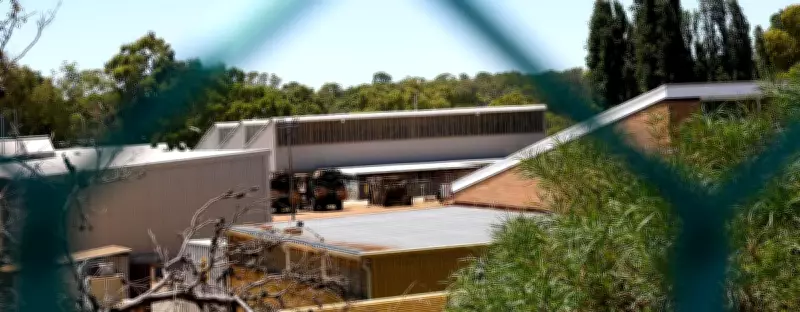
Simultaneously, there is growing urgency to activate the Henderson shipyard, located south of Perth, which is slated to play a pivotal role in constructing and maintaining the new submarines. Delays or underfunding at Henderson could jeopardise the entire AUKUS timeline, adding to the financial and logistical challenges faced by the defence portfolio.

Analysts suggest that Marles's decision to liquidate assets reflects a broader struggle to balance budgetary constraints with ambitious defence commitments. The move has sparked debate over whether selling off these resources is a prudent long-term strategy or a short-sighted compromise that could weaken Australia's defence industrial base.
As the government navigates these complex issues, the focus remains on ensuring that the AUKUS program proceeds without compromising national security or overburdening taxpayers. The outcome at Henderson will be closely watched as a bellwether for the project's overall viability and execution.