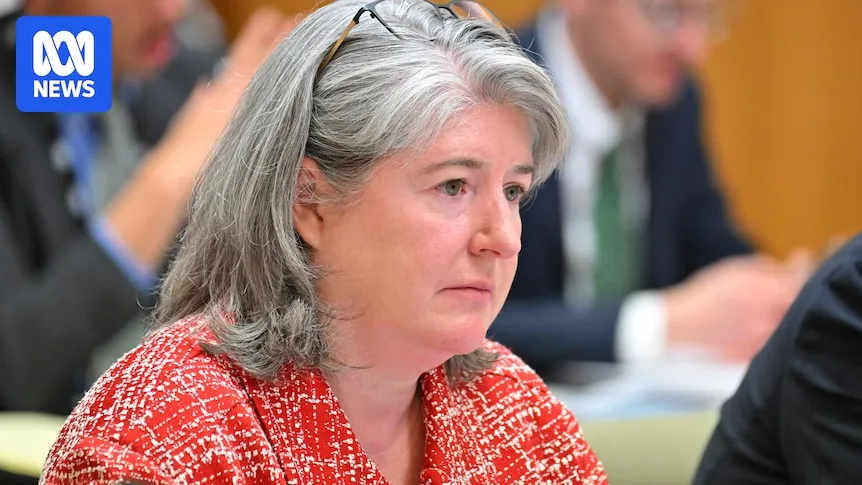
Meghan Quinn has been appointed as Australia's first female Defence Secretary, marking a historic milestone for the Department of Defence. Her appointment, effective immediately, positions her at the helm of one of the country's largest and most complex bureaucracies. Quinn, who previously served as the Deputy Secretary for Strategy and Policy, brings extensive experience in defence and national security matters.
Historic Appointment and Background
Quinn's rise to the top of the Defence Department is a landmark moment for gender equality in Australia's public service. She succeeds Greg Moriarty, who retired after a distinguished career. With over two decades in the public service, Quinn has held key roles in defence, foreign affairs, and trade, earning a reputation for strategic thinking and reformist zeal.
Prime Minister Anthony Albanese praised her appointment, stating that Quinn's leadership will be instrumental in modernising the Australian Defence Force and ensuring it meets future challenges. Defence Minister Richard Marles echoed these sentiments, highlighting her deep understanding of defence policy and her commitment to cultural change within the organisation.
Major Reforms on the Horizon
Quinn is expected to drive significant reforms across the department. Key priorities include streamlining procurement processes, enhancing cybersecurity, and improving personnel management. The Defence Strategic Review, released earlier this year, identified critical areas for improvement, and Quinn is tasked with implementing its recommendations.
One of her immediate challenges will be addressing the department's budget pressures. The Australian Defence Force is grappling with rising costs and the need for increased investment in new technologies. Quinn will need to navigate these financial constraints while maintaining operational readiness.
Cultural Change and Diversity
Another focus for Quinn will be fostering a more inclusive culture within the Defence Force. Reports of misconduct and harassment have plagued the organisation in recent years, and Quinn has pledged to prioritise cultural reform. She aims to create a safer and more respectful environment for all personnel, particularly women and minority groups.
Her appointment itself is a powerful symbol of progress, but Quinn acknowledges that much work remains. She has committed to advancing diversity initiatives and ensuring that the Defence Force reflects the broader Australian community.
Strategic and Geopolitical Challenges
Quinn takes office at a time of heightened geopolitical tensions in the Indo-Pacific region. The rise of China, ongoing conflicts, and the evolving nature of warfare demand a agile and forward-looking defence strategy. Quinn's experience in strategic policy will be crucial as Australia strengthens its alliances, particularly with the United States and the United Kingdom through the AUKUS pact.
The successful acquisition of nuclear-powered submarines under AUKUS is a key project that Quinn will oversee. This complex undertaking requires meticulous planning and coordination across multiple government agencies and international partners.
Reactions and Future Outlook
Defence analysts have welcomed Quinn's appointment, citing her track record of effective leadership and reform. Many see her as a change agent capable of tackling the Defence Department's long-standing issues. However, some caution that the scale of the challenges should not be underestimated.
Quinn herself has expressed humility and determination, stating that she is honoured to lead the department and committed to serving the nation's security interests. She emphasised the importance of teamwork and collaboration, both within Defence and with external stakeholders.
As the first woman to hold this position, Quinn's tenure will be closely watched. Her success could pave the way for more women to ascend to senior leadership roles in the public service and beyond.