A profound and collective grief continues to grip Australia one week after the nation's deadliest mass shooting in three decades. The horrific terror attack at Sydney's iconic Bondi Beach, which claimed 15 lives and injured 40 others, has left an indelible scar on the national psyche as communities unite to mourn and reflect.
The Timeline of Terror: Ten Minutes of Carnage
The sequence of events that forever changed an Australian evening began at approximately 6.40pm on Sunday, December 14, 2025. Father and son Sajid Akram, 50, and Naveed Akram, 24, exited a silver Hyundai Elantra at the world-famous beach armed with high-powered weapons.
By 6.43pm, emergency services were flooded with calls reporting gunshots. The pair had allegedly begun their attack, specifically targeting the 'Chanukah by the Sea' event held on the grass for the first night of Hanukkah celebrations. In a devastatingly short timeframe, the shooters unleashed chaos upon the popular tourist destination.

By 6.47pm, police had engaged and shot the attackers, but the carnage was already complete. The victims, whose ages ranged from 10 to 87 years old, were caught in a senseless act of violence. Sajid Akram was killed at the scene, while his injured son Naveed was taken to hospital and later transferred to prison, where he now faces 59 charges including 15 counts of murder and 40 counts of attempted murder.
A Nation in Mourning: Tributes and a Call for Unity
Australia has spent the past week grappling with the enormity of the loss, questioning how less than ten minutes could alter the course of so many lives and the nation's history. Authorities have labelled the assault "horrifying" and "evil", with New South Wales Premier Chris Minns stating it was the most serious event to affect the state in decades and calling for a royal commission.
Sunday, December 21, was declared a National Day of Reflection. The day was dedicated to honouring the victims, standing in solidarity with the Jewish community, and sharing in the collective grief. Across the country, flags flew at half-mast and buildings were illuminated in yellow—a poignant tribute to the attack's youngest victim, 10-year-old Matilda, who adored the bright colour.
At Bondi, a community memorial event was held with Jewish leaders, attended by Prime Minister Anthony Albanese. The Bondi Pavilion projected beams of light into the sky, and at 6.47pm exactly, Australians nationwide were asked to observe a minute's silence and light a candle in a quiet act of remembrance.
Moving Forward: Resilience and Legislative Response
In the days following the tragedy, Sydney has demonstrated remarkable resilience. On Saturday night, Carols in the Domain paid tribute to the lives lost, with 30,000 attendees at the city's first major event since the massacre. Organisers replaced the traditional fireworks with a radiant white Christmas tree, symbolising hope and togetherness.
Premier Chris Minns urged Sydneysiders to attend such events, sending a defiant message to terrorists that "they're not going to destroy our summer" or take away the Australian way of life. Meanwhile, the federal government has announced stronger hate speech laws in the attack's wake.
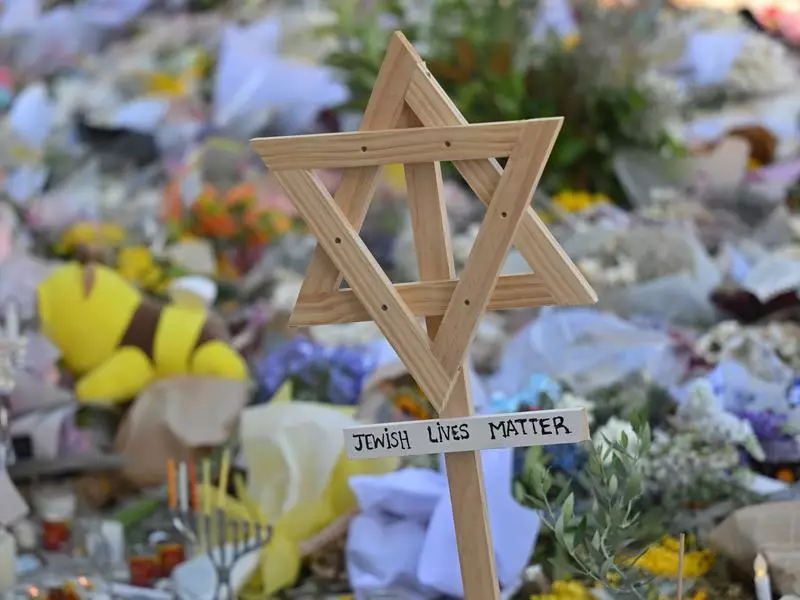
The sea of floral tributes outside Bondi Pavilion, which became a focal point for public mourning, will be carefully documented by Waverley Council, the state government, and the Jewish community before being removed. The Jewish Museum has collected cards and items for preservation in a future memorial, ensuring the victims are never forgotten.
As the nation takes its first steps on a long path toward healing, the questions of how and why this atrocity occurred loom large, underscored by the Premier's push for a comprehensive royal commission to examine the circumstances leading to Australia's darkest day in a generation.