Two extensive police manhunts across Australia have failed to locate two accused killers, raising significant concerns about how fugitives can still disappear in 2026 despite advanced technology and record policing resources. The ongoing searches highlight persistent challenges in law enforcement across the nation's vast and varied landscapes.
Dual Manhunts Spanning States
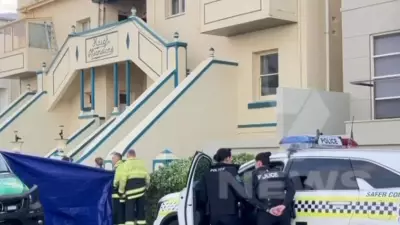
In New South Wales, accused triple murderer Julian Ingram has been on the run for more than a week. He allegedly shot dead three people in the state's central west, sparking a massive search operation. Meanwhile, in Victoria, Dezi Freeman has been missing for five months after allegedly killing two police officers on his rural property in Porepunkah.
Despite a substantial $1 million reward and unprecedented resources dedicated to the Victorian search, authorities have been unable to find any trace of Freeman. As both manhunts continue, former senior detectives suggest that a combination of terrain, timing, and human factors may explain how these men have managed to evade capture.

Terrain Proving Problematic for Authorities
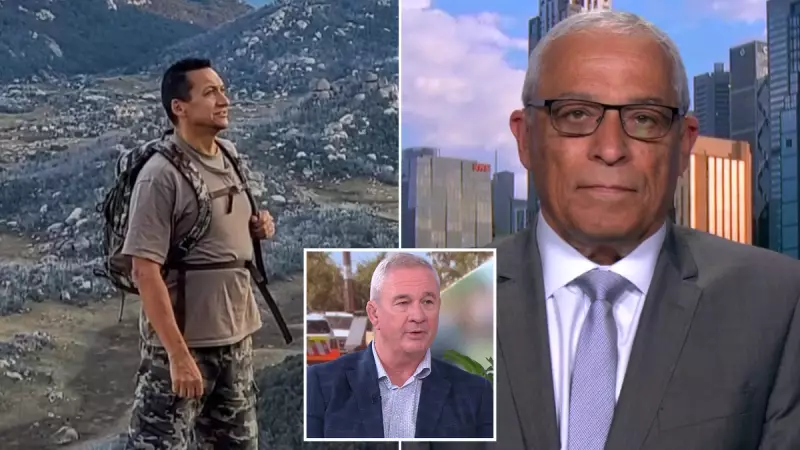
Former NSW Detective Superintendent Rob Critchlow has emphasised that Australia's vast geography remains one of law enforcement's biggest challenges. "Australia's a big country, and I think people forget how big our country actually is," Critchlow stated during a recent television appearance.
The terrain in both search areas presents distinct difficulties. "The territory in both areas is different. One's very mountainous and remote. The other one's very remote, flat and harsh. And if someone wants to get moving in those areas and hide out, it's hard to find them," he explained. Authorities believe both fugitives possess extensive knowledge of the bushland in their respective regions, giving them a critical advantage over search teams.
Suspected Assistance from Sympathisers
Former Victorian Police homicide detective Charlie Bezzina believes Freeman may not have been acting alone. "The whole thing is he would have had a good head start, given the fact of deployment of our specialist people from Melbourne being flown in that day," Bezzina noted.
"I'm learning since that time that there are a lot of sympathisers in the Porepunkah area that are also sovereign citizens. So he may have got out of the bush with that head start and been harboured somewhere, and if not, interstate." Both men are believed to have either relied on off-grid survival methods or received assistance from people within local communities.
Critchlow added context regarding community dynamics, noting that Ingram is a member of the Indigenous community. "We know that some people in the Indigenous community will look after family and friends first before the police," he said. "I don't know how clear the evidence is for that, but it's very, very possible." Harbouring a fugitive carries serious legal consequences, with section 316 of the New South Wales Crimes Act stipulating that concealing a serious offence can result in approximately two years imprisonment.
Technological Limitations in Extreme Conditions
While technology has played a role in the searches, its limitations have become increasingly apparent. Thermal imaging becomes ineffective in extreme heat when ground temperatures exceed human body temperature. Without mobile phones, bank activity, or tracking devices, police are often forced back to traditional ground searches.
"This fella left in a car, it's a ute, and there's probably thousands of utes," Critchlow pointed out. "It goes back to hard work with police on the ground." The reliance on conventional methods underscores the challenges of modern policing in Australia's harsh environments.
Freeman Possibly Deceased in the Bush
Bezzina has raised the possibility that Freeman may no longer be alive, with the bush itself concealing the truth. "To survive in the bush this long is a long task, especially now we've got the bushfire season happening," he explained.

"If he has perished by either an accident or some other means, we may never find the deceased because we've got feral foxes, feral cats, eagles and the likes, and nothing can be left of the body. It may remain a mystery forever and a day." He added that intelligence suggests Freeman does not have the capability to obtain a false passport, but believes that if he is still alive, he would have changed his appearance significantly.
New Information Emerges in Hunt for Ingram
Meanwhile, the manhunt for Julian Ingram continues across remote country around Mount Hope, approximately an hour northwest of Lake Cargelligo. Police allege Ingram shot dead 25-year-old heavily pregnant Sophie Quinn and her friend John Harris last Thursday, before driving to another street where Sophie's aunt Nerida Quinn was killed and a teenage boy was wounded.
A new theory has emerged among locals, who believe Ingram may have recently learned he was not the father of his ex-partner's unborn child, potentially triggering the alleged killing spree. The search remains intense, with officers battling extreme heat while conducting aerial sweeps and large-scale ground operations.
Overnight, police released the clearest images yet of a dual-cab ute they believe Ingram used to flee the area after the shootings. The vehicle has become a central focus of the investigation, with authorities urging anyone who spots it to contact police immediately.
Ongoing Appeals for Public Assistance
Despite the scale of both operations, neither man has been located. The continued absence of these fugitives highlights the complex challenges facing Australian law enforcement in 2026. Authorities maintain that public assistance remains crucial to resolving these cases.
Anyone with information about the whereabouts of Julian Ingram or Dezi Freeman is urged to contact Crime Stoppers immediately. The persistence of these manhunts serves as a stark reminder of the difficulties in tracking individuals across Australia's expansive and challenging landscapes.