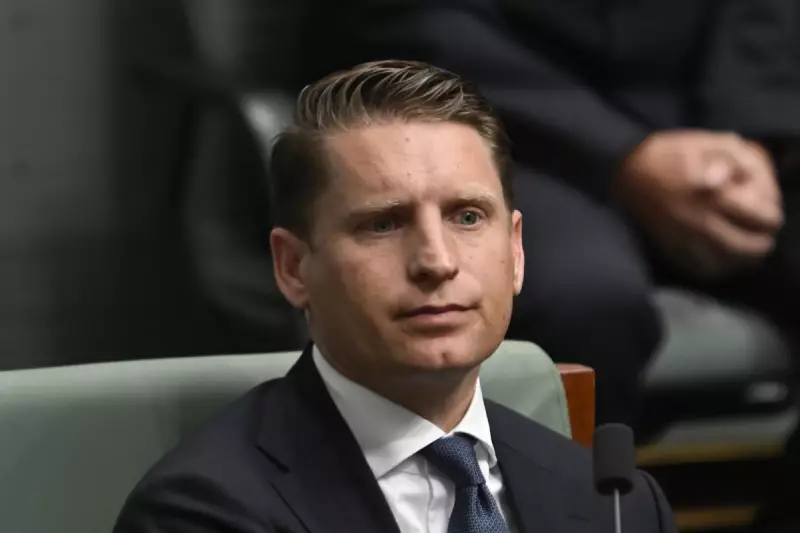
Political circles in Canberra and Perth are abuzz with fresh speculation about the future of the federal Liberal Party leadership, putting a spotlight on Western Australian MP Andrew Hastie and his relationships within his home state.
Leadership Rumours Intensify Amid Party Tensions
As internal discussions and media reports continue to fuel rumours of a potential leadership challenge, attention has turned to whether Hastie, the Member for Canning and a prominent conservative figure, can count on the backing of his fellow West Australian Liberals. This comes at a critical juncture for the opposition, which is grappling with policy direction and electoral strategy ahead of the next federal election.
The WA Factor in Federal Liberal Dynamics
Western Australia has long been a stronghold for the Liberal Party, but recent state and federal elections have shown shifting allegiances and voter sentiments. Hastie, known for his strong defence and national security credentials, has built a reputation as a principled and sometimes outspoken MP. However, in the cut-throat world of federal politics, personal loyalties and state-based alliances often play a decisive role in leadership contests.

Observers note that while Hastie enjoys respect among many colleagues, the support from WA Liberals may not be automatic. Factors such as factional divides, individual ambitions, and strategic considerations could influence how MPs from the west align in any leadership vote. Some within the party may prefer a different candidate or timing, adding complexity to Hastie's potential aspirations.
Historical Context and Current Challenges
Past leadership spills in the Liberal Party have revealed deep divisions and regional tensions, with WA MPs sometimes taking pivotal positions. In the current climate, issues like economic management, climate policy, and social cohesion are testing party unity. Hastie's ability to rally his home state colleagues may depend on his capacity to address these broader concerns while navigating the personal politics of Canberra.
Moreover, the role of state-based media and public opinion in WA cannot be underestimated. As speculation mounts, local stakeholders and voters will be watching closely, potentially pressuring MPs to align with community expectations or state interests over federal party dynamics.
What This Means for Hastie's Political Future
If Hastie decides to make a move for the leadership, securing solid support from WA Liberals could be a crucial first step. However, without a unified front from his home state, any challenge might face significant hurdles. The coming weeks are likely to see increased lobbying and behind-the-scenes negotiations as key players assess their positions.
Ultimately, the question of whether Andrew Hastie can count on his WA buddies goes beyond mere speculation; it touches on the broader themes of loyalty, ambition, and regional influence in Australian politics. As the Liberal Party charts its course forward, the decisions made in Western Australia could have far-reaching implications for the national landscape.