Secret Negotiations Bring Canberra Liberals and Greens to Brink of Power
In a stunning political development, secret talks between the Canberra Liberals and ACT Greens nearly resulted in the formation of a new government that would have ousted Andrew Barr's Labor administration. The negotiations, which spanned approximately two weeks, included detailed discussions about power-sharing arrangements and cabinet positions.
How the Talks Unfolded
The discussions were initiated by the Greens, who approached the Liberals with the idea of combining forces to remove the minority Labor government. Between them, the two parties would command a one-seat majority in the 25-member Legislative Assembly. Portfolio spokespeople from both sides held formal meetings according to a structured timetable, with Liberal treasury spokesman Ed Cocks even dialing in from an overseas holiday.
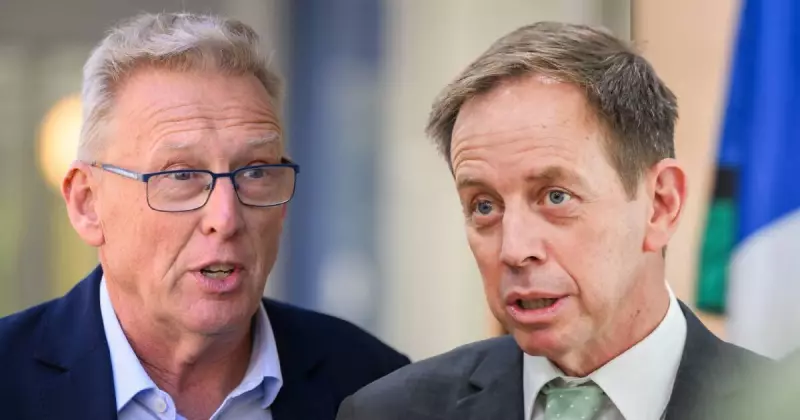
The proposed arrangement would have seen Greens leader Shane Rattenbury installed as chief minister initially, with plans for him to hand over the position to Liberal leader Mark Parton after a set period of 12 to 18 months. This power-sharing model had gained acceptance among senior figures within both parliamentary parties.

Internal Party Divisions Emerge
As rumours of the deal began circulating widely, internal divisions surfaced within both parties. The Canberra Liberals convened an unusual weekend shadow cabinet meeting where former leader Leanne Castley voiced strong objections to handing the chief ministership to the Greens. Castley, whose leadership was predicated on not forming government with the Greens, indicated she would support a no-confidence motion in Barr but not the proposed power-sharing arrangement.
Meanwhile, Elizabeth Lee, whose own leadership was damaged by talks with the Greens after the 2024 election, supported the current push and attended meetings with Rattenbury to discuss policy issues. James Milligan was reportedly reluctant to back the deal unless he secured a cabinet position.
Public Denials and Private Realities
Despite public statements downplaying the talks, multiple credible sources confirm the negotiations were extensive and serious. Parton initially declared any speculation about forming government with the Greens "unfounded," while Rattenbury acknowledged "policy discussions" but characterized them as routine. However, behind the scenes, the Liberals had assembled a "transition team" considering public service appointments and other urgent matters a new government would face.
The talks were so substantial that Liberals were seen in the Legislative Assembly building during January, a time when politicians are typically on summer break. The Liberals were also consulting with people linked to senior right-wing figures in the branch, including campaigners associated with conservative lobby group Advance Australia.
Government Reaction and Alarm
The persistence of the rumours began to unnerve senior government figures, who worked into Friday evening trying to determine whether the Greens were preparing to abandon their supply and confidence agreement with Labor. Chief Minister Andrew Barr, still on summer holiday, sent a text message to Rattenbury seeking clarification about the talks and potential no-confidence motions.
Rattenbury's response that there was "no no confidence agreement for the first sitting week of the year" gave Barr some clarity but raised alarm bells within government circles. The careful wording left open the possibility of action in subsequent weeks, a point not lost on political observers.
Why the Deal Ultimately Collapsed
The agreement reached its breaking point when Rattenbury informed Parton that the Greens' management committee would not consent to the arrangement. The committee met over the weekend and decided it could not support forming government with the Liberals. Additionally, the Greens faced potential membership revolts if they proceeded without consulting rank-and-file members, similar to the process used when deciding whether to re-enter cabinet after the 2024 election.

Both leaders subsequently softened their public positions in radio interviews. Parton conceded that "extreme ideas" had been discussed "almost jokingly," while Rattenbury emphasized the duty to find common ground with other parties but downplayed the specific coalition discussions.
Common Ground and Future Possibilities
Despite the collapse of the immediate takeover plan, both parties identified significant areas of shared concern with the current government. The Greens cited frustration with Labor on budget repair and environmental issues, while pointing to specific concerns about overspends in health and education, the Campbell Primary corruption investigation, and public transport management.
The careful language used by Rattenbury about no-confidence motions has reverberated through political circles, with many noting he only ruled out action in the first sitting week, leaving open possibilities for later in the year. If the Liberals and Greens can find sufficient common ground and a suitable trigger—such as a corruption finding or another significant budget deficit—they still possess the numbers needed for a potential takeover.
However, the episode has revealed deep divisions within both parties about such an alliance, raising questions about whether using their combined numbers might ultimately destroy their political credibility with their respective bases. The talks have nonetheless demonstrated that Canberra's political landscape remains fluid and unpredictable, with traditional alliances facing unprecedented pressure.