Chinese Ambassador Criticises Australia's US Technology Alignment
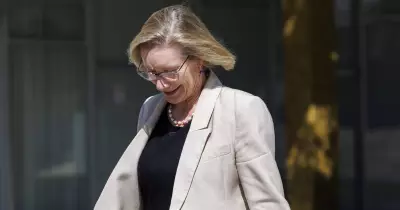
China's top diplomat in Australia has publicly criticised the Albanese government's decision to prioritise stronger technology ties with the United States over cooperation with Beijing, declaring that "the door is completely closed" for artificial intelligence collaboration under the current framework.
Diplomatic Push for AI Integration in Trade Deal
Ambassador Xiao Qian used his annual media briefing at the Chinese embassy in Canberra to reiterate China's desire to incorporate artificial intelligence into an expanded free-trade agreement between the two nations. This comes despite Prime Minister Anthony Albanese's government having already rejected a previous offer from Beijing.
"China has technology and manufacturing ability and the world's largest market," Mr Xiao told reporters. "It's a good combination for us to work together to put our technology and innovation to be commercialised. Of course, we will co-operate in a way that is comfortable to both sides."

The ambassador confirmed that Australia and China are currently reviewing their decade-old free-trade agreement to identify potential areas for expansion, with AI technology representing a key priority for Beijing in these discussions.
Growing Technology Competition and Security Concerns
The diplomatic comments come as artificial intelligence becomes increasingly central to what many analysts describe as a technology "cold war" between the United States and China. Chinese groups have recently overtaken their American rivals in the rapidly expanding global market for open-source AI models.
Australia's security concerns about Chinese technology platforms have been demonstrated through several recent actions. The Australian government banned the Chinese AI platform DeepSeek from official work devices in February last year, following a similar prohibition on the social media application TikTok.
Meanwhile, Canberra is actively pursuing deeper AI cooperation with the Trump administration, having struck a critical minerals deal with the United States in October last year that established a foundation for enhanced technology collaboration.
Port of Darwin Warning and Regional Tensions
Ambassador Xiao issued a pointed warning regarding potential Chinese intervention if Australia were to force an end to Chinese ownership of the Port of Darwin lease. The Chinese company Landbridge holds a 99-year lease on the strategic northern port, which has become a source of ongoing diplomatic tension.
"So if anything happens, like the port will be taken back by force or forceful measures, then we have an obligation to take measures to protect the Chinese company's interest," Mr Xiao stated clearly to assembled journalists.
The ambassador downplayed concerns about Chinese naval deployments near Australian waters last year, describing them as coincidental rather than threatening. "There's no reason for China to threaten Australia and there's no reason for Australia to interpret the Chinese military exercises [as] targeting Australia," he asserted.
Taiwan Stance and International Order Concerns
Mr Xiao emphasised that developments in the China-Australia relationship and strengthened bilateral ties would depend significantly on how both nations handled their differences. He warned specifically that Beijing "would not compromise" on the issue of Taiwan, which China considers a breakaway province.
The diplomat accused Australia's Department of Foreign Affairs and Trade of making "misleading" statements after it described Chinese military exercises conducted near Taiwan in late December as "deeply concerning, destabilising and risk inflaming regional tensions."
While not mentioning US President Donald Trump directly, Mr Xiao pointed to "growing turbulence" in the international rules-based order, later emphasising the importance of finding a "constructive" approach to dealing with the Trump administration as it pursues its America First foreign policy agenda.

Military Leadership Changes and Future Relations
The Chinese envoy glossed over concerns about President Xi Jinping's recent dismissal of two senior military generals, avoiding detailed commentary on the internal Chinese leadership changes. Instead, he focused on the broader strategic relationship between Canberra and Beijing.
The diplomatic exchange highlights the continuing complexity of Australia's position as it attempts to balance its security alliance with the United States against its substantial economic relationship with China. The technology sector has emerged as a particularly contentious arena in this delicate balancing act, with artificial intelligence representing both enormous economic potential and significant security concerns for Australian policymakers.