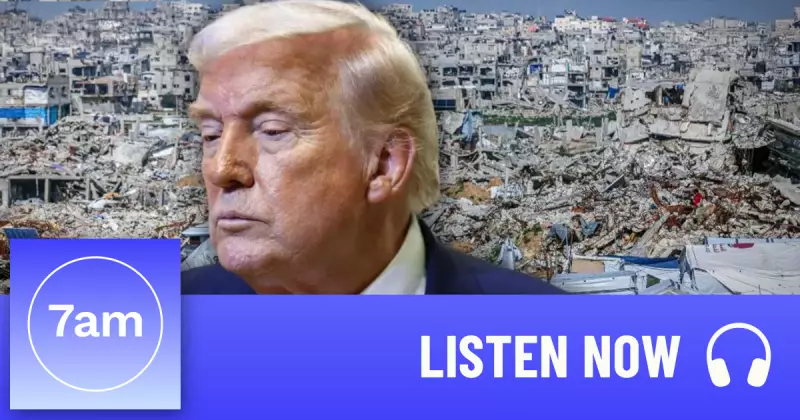
The political world is abuzz with speculation as reports emerge that former United States President Donald Trump could be appointed to a significant role on an international peace board in 2026. This development, if confirmed, would mark a dramatic return to the global stage for the controversial figure, whose presidency was characterised by unconventional foreign policy moves and polarising rhetoric.
A Surprising Turn in Global Diplomacy
According to sources close to the matter, discussions are underway regarding Trump's potential involvement with a peace-focused organisation aimed at mediating conflicts and fostering stability worldwide. The board in question is said to comprise influential leaders and diplomats dedicated to resolving international disputes through dialogue and negotiation.
Trump's consideration for such a position has ignited a fierce debate among political analysts, diplomats, and the public. Supporters argue that his unorthodox approach and direct negotiating style could bring fresh perspectives to entrenched global issues. They point to his role in facilitating the Abraham Accords, which normalised relations between Israel and several Arab nations, as evidence of his capacity to broker deals.

Mixed Reactions and Critical Concerns
Critics, however, express deep reservations, citing Trump's history of inflammatory statements, adversarial relationships with traditional allies, and his administration's withdrawal from key international agreements. Many fear that his inclusion could undermine the board's credibility and effectiveness, potentially exacerbating tensions rather than alleviating them.
The timing of this news is particularly noteworthy, coming ahead of the 2026 timeframe when the appointment is reportedly being considered. This allows ample opportunity for further deliberation and public discourse on the merits and risks of such a move.
Implications for International Relations
If Trump does assume a position on the peace board, it could signal a shift in how global diplomacy is conducted. His potential involvement raises questions about the balance between traditional diplomatic channels and more personalised, leader-driven negotiations.
Furthermore, this development highlights the enduring influence of Trump on the world stage, even after leaving office. It underscores how his legacy continues to shape political conversations and strategic decisions in international affairs.
The broader implications for Australia and its foreign policy are also under scrutiny. As a key ally of the United States and an active participant in global peacekeeping efforts, Australia would need to navigate this new dynamic carefully, assessing how Trump's role might impact regional stability and bilateral relations.
Looking Ahead to 2026
As the story unfolds, all eyes will be on the formal announcements and the reactions from other world leaders. The coming months are likely to see intense lobbying, both for and against Trump's appointment, as stakeholders weigh in on this unprecedented possibility.
Ultimately, whether Donald Trump joins the peace board or not, this episode serves as a reminder of the unpredictable nature of global politics and the ongoing debates about leadership, diplomacy, and conflict resolution in the modern era.