Australia Imposes Six-Month Entry Ban on Iranian Visitor Visa Holders
The Albanese government has enacted controversial new powers to restrict Iranian nationals holding temporary visitor visas from re-entering Australia, effective from Thursday. This move comes more than four weeks after the United States and Israel launched a surprise military attack on Iran, escalating regional tensions and prompting what the government describes as a necessary measure to protect national interests.
New Restrictions on Iranian Passport Holders
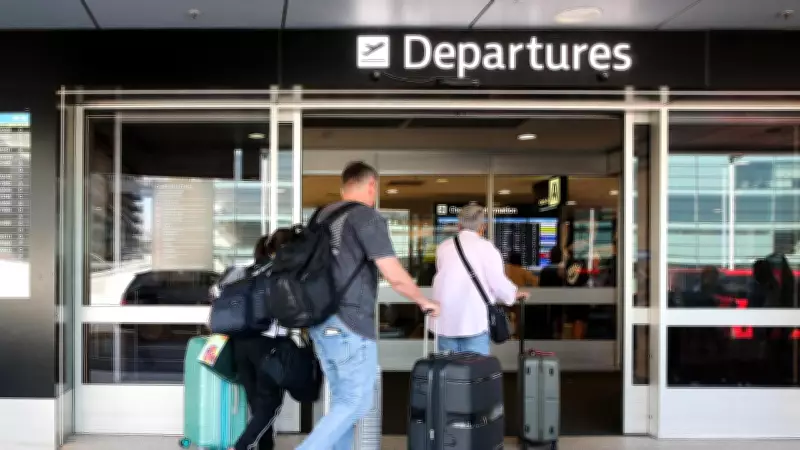
Under the new regulations, any individual with a visitor visa (subclass 600) linked to an Iranian passport who is currently outside Australia will be prohibited from entering the country for a period of six months. Visitor visas typically allow stays of up to twelve months for purposes such as tourism, business, or family visits. However, the government has expressed concerns that the ongoing conflict increases the risk that temporary visa holders may become unable or unwilling to depart Australia when their visas expire.
Home Affairs Minister Tony Burke emphasized that the changes aim to bolster the integrity of Australia's migration system. "There are many visitor visas which were issued before the conflict in Iran which may not have been issued if they were applied for now," Burke stated. "Decisions about permanent stays in Australia should be deliberate decisions of the government, not a random consequence of who had booked a holiday."

Limited Exceptions and Government Flexibility
The ban includes specific exemptions to allow for humanitarian considerations and family unity. Entry will still be permitted for:
- Spouses, de facto partners, or dependent children of Australian citizens or permanent visa holders.
- Parents of children under eighteen years of age who are already in Australia.
Additionally, individuals holding an active Permitted Travel Certificate or another type of visa may be allowed entry, and the restrictions do not prevent people outside Australia from applying for new visas. In limited cases involving parents of Australian citizens, the government has promised "sympathetic consideration."
Minister Burke assured that the government is closely monitoring global developments and will adjust settings as needed to ensure the migration system remains orderly, fair, and sustainable. "The Australian government is closely monitoring global developments and will adjust settings as required to ensure Australia's migration system remains orderly, fair and sustainable," he added.
Criticism from Advocacy Groups and Political Opponents
The policy has faced significant pushback from human rights advocates and political opponents, who argue it undermines Australia's commitment to protecting vulnerable individuals. Developed in consultation with the Iranian diaspora, the changes were passed in parliament earlier this month amid heated debate.
Kon Karapanagiotidis, Chief Executive of the Asylum Seeker Resource Centre, condemned the rules, stating they "shut the door" on people seeking safety in Australia. "If people already have a visa to travel to Australia, and this kind of violence has broken out in their home country – why would we not want to help them?" he questioned. Karapanagiotidis highlighted a perceived inconsistency, noting that on the same day the government offered asylum to members of the Iranian women's soccer team, it moved to restrict family members of Australian citizens.
Senator David Shoebridge, Greens spokesperson on Immigration, accused the government of cynically using the plight of everyday Iranians to justify support for what he called an "illegal" war driven by false pretenses. "Today, we see with 100 per cent clarity what the Albanese government thinks of the safety of the Iranian people as they shut the door on protection for people with a visa to come here," Shoebridge asserted. He further claimed that the Labor Party has abandoned Iranians now that they are no longer politically useful.

Context and Broader Implications
This policy shift occurs against a backdrop of complex international relations and domestic immigration debates. Earlier this month, Minister Burke offered asylum to members of the Iranian women's soccer team, though only two players ultimately chose to remain in Australia. The new restrictions reflect a broader governmental strategy to manage migration flows proactively during times of international crisis, balancing national security concerns with humanitarian obligations.
As the six-month ban takes effect, its impact on Iranian-Australian families and the broader diaspora will be closely watched. The government maintains that these measures are temporary and designed to provide time for thorough case assessments while maintaining flexibility in exceptional circumstances. However, critics warn that such policies could set a concerning precedent for future immigration decisions during global conflicts.