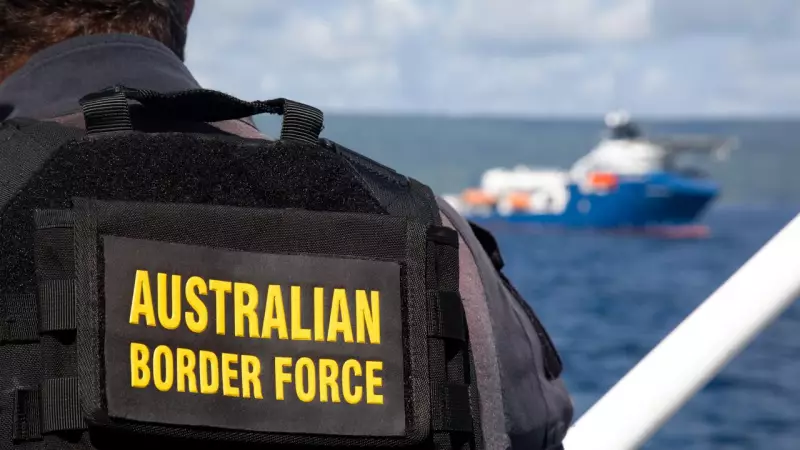
The Cairns Regional Council has issued a strong rebuke to federal authorities, labelling the current state of border security as unacceptable in the wake of a significant increase in foreign vessels arriving in local waters. This escalation has sparked concerns over regional safety, environmental impacts, and resource strain in Far North Queensland.
Council Voices Frustration Over Federal Response
In a recent statement, council representatives expressed deep frustration with what they perceive as inadequate measures from border security agencies to manage the influx. The situation has reportedly led to multiple incidents where foreign boats have been detected or intercepted near Cairns, raising alarms about potential risks to maritime operations and coastal communities.
Impact on Local Resources and Environment
The council highlighted that the surge in arrivals is placing undue pressure on local resources, including emergency services and environmental management teams. There are growing worries about the potential for pollution, damage to marine ecosystems, and disruptions to commercial fishing and tourism activities, which are vital to the region's economy.

Officials emphasised that while they support national immigration policies, the current approach to border security is failing to address the practical challenges faced by coastal areas. They called for immediate action to enhance surveillance, improve coordination between federal and local agencies, and implement more robust strategies to deter unauthorised entries.
Calls for Improved Coordination and Solutions
The council's criticism underscores a broader debate over border protection in Australia, particularly in remote northern regions. They urged the federal government to prioritise investments in technology and personnel to better monitor and respond to maritime threats, ensuring that communities like Cairns are not left vulnerable.
This development comes amid ongoing national discussions on immigration and security, with local leaders advocating for a balanced approach that safeguards both humanitarian principles and regional interests. The council plans to engage further with federal stakeholders to seek collaborative solutions and prevent future escalations.