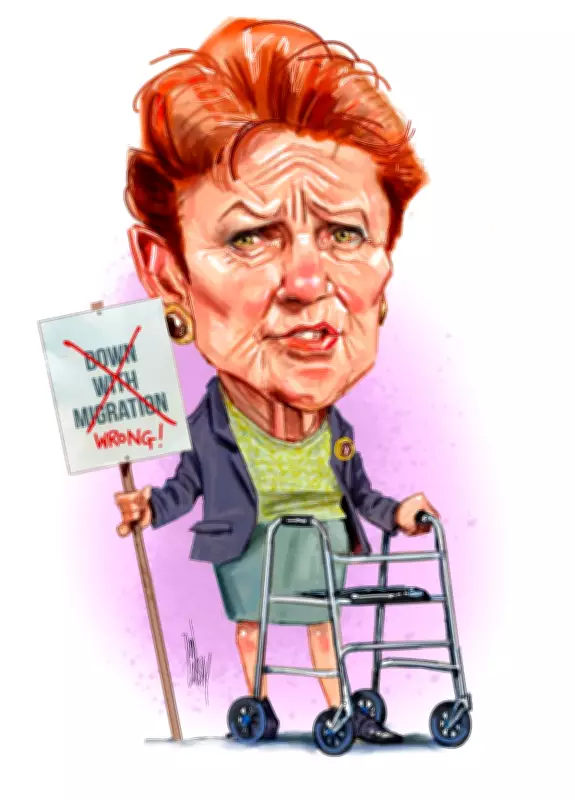
Pauline Hanson's Proposed Immigration Cuts Could Harm Australia's Economy and Society
Pauline Hanson's recent proposal to slash immigration levels has ignited a fierce debate across Australia, with critics warning that such cuts could inflict significant damage on the nation's economy and social fabric. The One Nation leader's plan, which aims to reduce immigration intake, is being scrutinised for its potential long-term consequences.
Economic Implications of Reduced Immigration
Economists argue that immigration plays a crucial role in sustaining Australia's economic growth. A sharp reduction in migrant numbers could lead to labour shortages in key sectors such as healthcare, construction, and agriculture. This, in turn, might slow down productivity and innovation, ultimately affecting the country's global competitiveness.
Furthermore, immigrants contribute substantially to government revenue through taxes and consumer spending. Cutting immigration could strain public finances, making it harder to fund essential services like education and infrastructure. The proposed cuts might also impact the housing market, as reduced demand could destabilise property values in some regions.

Social and Demographic Concerns
Beyond economics, Hanson's proposal raises concerns about Australia's social cohesion and demographic balance. Immigration helps address ageing population issues by bringing in younger workers who support pension systems and community vitality. Without this influx, Australia could face increased pressure on aged care and healthcare services.
Additionally, diversity from immigration enriches cultural life and fosters innovation. Critics fear that cuts might isolate Australia internationally and hinder its ability to attract skilled talent. The debate highlights the need for a balanced approach to immigration that considers both economic benefits and social integration.
Political and Policy Context
Hanson's stance reflects broader political tensions around immigration policy in Australia. While some voters support tighter controls, others advocate for maintaining or increasing intake to support growth. This proposal adds to ongoing discussions about sustainable population management and national identity.
Experts suggest that any changes to immigration should be based on comprehensive data and long-term planning, rather than short-term political gains. The outcome of this debate could shape Australia's future direction on issues like workforce development and international relations.
In summary, Pauline Hanson's proposed immigration cuts are a contentious issue with far-reaching implications. While aimed at addressing perceived problems, they risk harming Australia's economy and society if not carefully implemented. The ongoing discourse underscores the complexity of immigration policy in a globalised world.